- Says Student Loan Is Not A Scholarship. It Is A Liability Warns That
- Education Should Not Begin With A Mountain Of Debt Hanging Over A
- Young Nigerian’s Future Vows To Cancel Students’ Debts If…
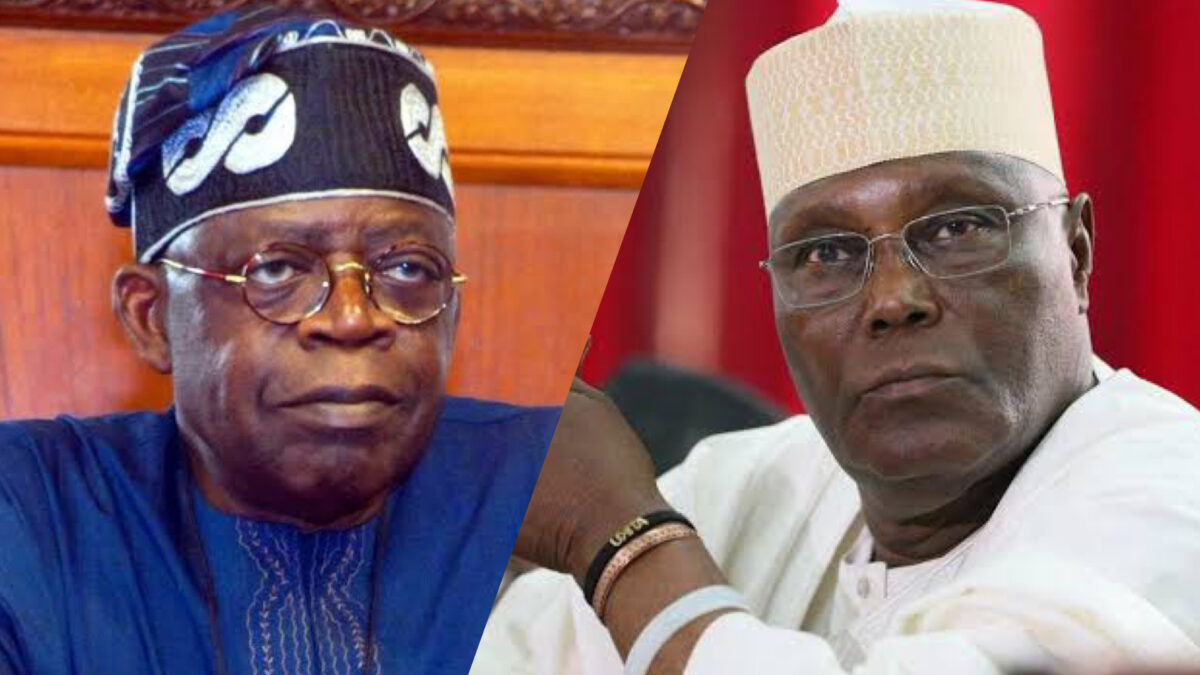
Presidential candidate of the African Democratic Congress (ADC), Atiku Abubakar, has renewed his criticism of President Bola Ahmed Tinubu’s economic reforms, accusing the administration of making education more expensive while presenting student loans as a solution to the hardship.
Atiku, through his Senior Special Assistant on Public Communication, Phrank Shaibu, also pledged to review the Nigerian Education Loan Fund (NELFUND) if elected president in 2027, with a promise to provide debt forgiveness for qualifying beneficiaries.
Reacting to President Tinubu’s recent defence of his economic policies and reference to NELFUND, Atiku described the presentation of the loan scheme as evidence of affordable education as “dishonest.”
He argued that government should first tackle the underlying cost of education instead of compelling students to borrow to cope with rising tuition and other expenses.
Atiku’s camp said the former vice president had reviewed the existing student-loan policy and believed that “education should not begin with a mountain of debt hanging over a young Nigerian’s future.”
Shaibu said Atiku’s proposed approach would focus on reducing the cost of education and, after a review of the existing scheme, forgiving qualifying student debts so that graduates could leave school without crippling repayment obligations.
“Education should open doors, not mortgage the future,” Shaibu said.
The Atiku camp also took aim at the broader Tinubu reform agenda, accusing the administration of increasing the cost of living and education before introducing interventions meant to cushion the resulting hardship.
It particularly rejected the argument that student loans should be celebrated as proof that higher education had become affordable.
“A student loan is not a scholarship. It is a liability,” Shaibu said, insisting that the success of education policy should be measured by whether ordinary Nigerian families can keep their children in school without taking on debt.
“The good news for Nigerian students is that Atiku has reviewed the current student-loan policy,” the statement reads.
“His approach will reduce the underlying cost of education and, after review, provide forgiveness for qualifying student debts so that young Nigerians can graduate with hope rather than repayment burdens. Education should open doors, not mortgage the future.”
Shaibu accused the current administration of making education more expensive for Nigerians, lending students money to survive the increase, and demanding applause for the intervention.
“That is not affordability. It is witchcraft economics: create the burden with one hand, offer debt with the other, and demand applause for the intervention,” he said.
“The proper test of an education policy is whether ordinary families can educate their children without being pushed into debt merely to keep them in school.”
Shaibu condemned what he described as the current administration’s attempt to use NELFUND as a “shield against” Atiku’s cost-of-living proposal.
“You now want Nigerians to believe that making fuel cheaper will somehow threaten student loans, workers’ salaries and the minimum wage. That is fearmongering dressed up as economics,” Shaibu he said.
He also faulted the administration’s claim that Atiku’s proposed targeted and capped production support could affect NELFUND, salaries or the minimum wage, describing it as “fallacious”.
Shaibu challenged the Tinubu administration to publish its calculations showing how Atiku’s proposal would affect NELFUND and workers’ wages.
“If your government has the arithmetic, Bola, publish it. Show Nigerians, line by line, how a transparently budgeted subsidy tied to Nigerian crude and domestic refining suddenly empties NELFUND or workers’ pay packets,” he said.
Shaibu said Atiku’s subsidy argument was aimed at reducing the cost of living by lowering energy and transportation costs.
He said the Tinubu’s government can not make life more expensive and then discourage students from supporting cheaper fuel on the grounds that it would affect their loans.
“You cannot make life painfully expensive, push students towards debt to survive the consequences, and then frighten those same students that cheaper fuel will take their loans away,” he said.
“Nor can you tell workers that a policy designed to restore value to their wages will somehow take those wages from them. That is not economic reform. It is scarecrow propaganda built on witchcraft economics.”
In recent weeks, Atiku’s camp and the presidency have been locked in repeated social media exchanges following the former vice-president’s criticism of the government’s management of the funds saved from petrol subsidy removal.
The latest salvo adds another dimension to the intensifying political battle ahead of the 2027 presidential election, with Atiku positioning his proposed economic and education policies as an alternative to the Tinubu administration’s reform agenda.