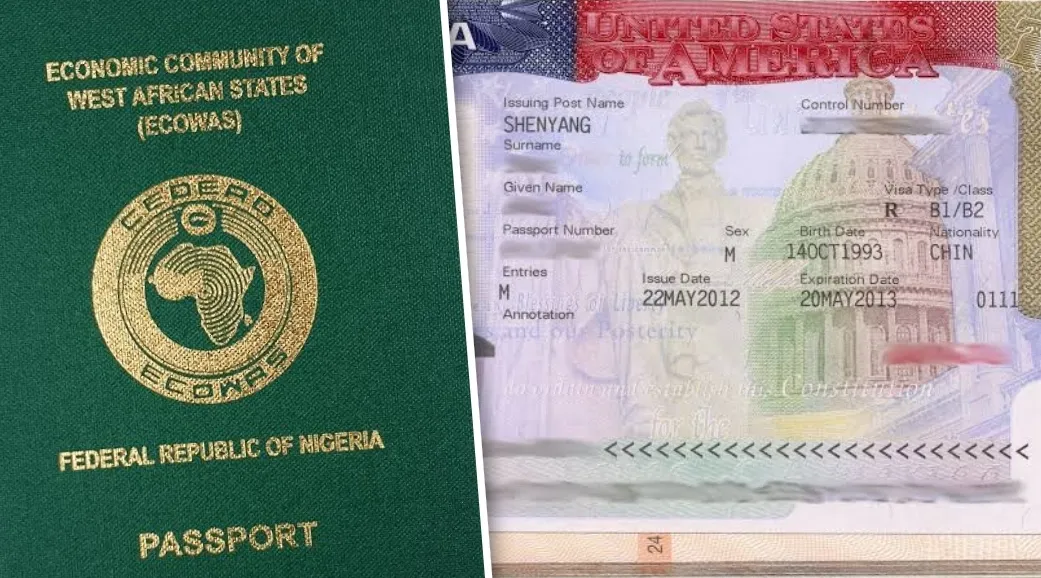
Planning a short trip to the United States can be somewhat exciting, but for first-time travellers, the visa application process can be overwhelming. The US Visitor Visa, also known as the B1/B2 visa, is designed for short-term visits for tourism, business, or family purposes.
With the right information and preparation, you can navigate this process smoothly. This article provides a step-by-step guide to help you understand the requirements and procedures for applying for a US Visitor Visa.
1. Understanding the US Visitor Visa
The US Visitor Visa (B1/B2) is a non-immigrant visa that permits individuals to enter the United States temporarily. The B1 category covers business-related activities, such as attending conferences or negotiating contracts, while the B2 category is for tourism, medical treatment, or family visits. This visa typically allows stays of up to six months, depending on the decision of the US Customs and Border Protection (CBP) officer upon arrival.
2. Eligibility Criteria
To be eligible for a US Visitor Visa, applicants must meet the following requirements:
- Be at least 18 years old if applying independently.
- Demonstrate the ability to financially support themselves during their stay.
- Intend to return to their home country after the visit.
- Have no criminal record or previous immigration violations.
- Show that they do not intend to work, study, or overstay their visit.
3. Required Documents
The success of your application largely depends on the accuracy and completeness of the documents you provide.
A. Personal Information Documents
- Passport: A valid passport with at least one blank page for the visa stamp. Ensure it is valid for at least six months beyond your planned stay.
- Personal Identification: Details like your full name, date of birth, nationality, and current contact information.
- Travel History: A record of your previous international travel, particularly trips to the US or other countries in the last decade.
- Financial Proof: Evidence that you can afford your trip, such as recent bank statements, payslips, or a letter of sponsorship if someone else is funding your visit.
B. Supporting Documents
- Travel Itinerary: A detailed plan of your trip, including dates, places to visit, and accommodations.
- Photographs: Two recent passport-sized photos meeting US visa photo specifications (plain white background, specific size, and format).
- Invitation Letter (if applicable): A letter from your host in the US explaining the purpose of your visit and their relationship to you.
- Proof of Ties to Your Home Country: Documents like employment verification letters, property deeds, or proof of family responsibilities to demonstrate strong ties to your home country.
4. Application Process for a US Visitor Visa
Step 1: Complete the DS-160 Form
The DS-160 is the official online application form for non-immigrant visas. Visit the US Department of State’s Consular Electronic Application Center (CEAC) website to fill out the form. Be prepared to provide detailed personal, travel, and background information. Once completed, print the confirmation page, as you’ll need it for your interview.
Step 2: Pay the Visa Fee
The visa application fee for a B1/B2 visa is generally $160, though it may vary by nationality. Payment instructions are provided on the US embassy or consulate website in your country. Keep the payment receipt as it is required for scheduling your interview.
Step 3: Schedule an Interview
Using the receipt number from your payment, schedule an interview appointment at the nearest US embassy or consulate. Interviews are required for most applicants aged 14–79. Select a date and time that works for you, keeping in mind that appointment availability may vary.
Step 4: Gather and Submit Your Documents
Prepare all necessary documents, including your DS-160 confirmation page, payment receipt, passport, photographs, and supporting documents. Ensure everything is organized and complete to avoid delays.
Step 5: Attend the Visa Interview
On the day of your interview, arrive early at the embassy or consulate. Dress professionally and bring all required documents. During the interview, the consular officer will ask questions about your travel plans, financial situation, and ties to your home country. Answer confidently and honestly.
5. Visa Processing Time
After the interview, the processing time for your visa can range from a few days to several weeks, depending on factors like your country of residence, application volume, and individual circumstances. If approved, your passport will be returned with the visa stamp. If additional processing is required, you may need to wait longer.
6. Receiving Your Visa
Once your visa is issued, verify all the details on the stamp for accuracy. Keep in mind that the visa does not guarantee entry into the US; it allows you to travel to a port of entry, where a CBP officer will make the final decision on your admission.
7. Additional Tips for a Successful Application
- Apply Early: Start your application at least two to three months before your intended travel date to account for potential delays.
- Follow Instructions Carefully: Pay close attention to all guidelines provided by the embassy or consulate to avoid errors or omissions.
- Purchase Travel Insurance: Though not mandatory, having travel insurance can protect you from unexpected emergencies during your trip.
- Demonstrate Intent to Return: Be prepared to provide evidence of ties to your home country, such as a return flight ticket, employment letter, or family obligations.
8. Common Reasons for Visa Refusals
While many applications are successful, some are denied due to:
- Insufficient financial resources.
- Lack of proof of strong ties to the home country.
- Incomplete or incorrect documentation.
- Past immigration violations or criminal history.
Conclusion
Applying for a US Visitor Visa may seem overwhelming, but careful preparation and attention to detail can make the process more straightforward. By understanding the eligibility requirements, compiling the necessary documents, and following the application steps diligently, you can improve your chances of securing a visa. Whether you’re visiting for leisure, business, or to reunite with loved ones, a well-prepared application is your ticket to exploring all that the United States has to offer.