The European Commission on Monday awarded key contracts to accelerate its €10.6 billion ($11.13 billion) secure satellite constellation project. The initiative aims to compete with Elon Musk’s Starlink and other rapidly expanding internet networks, bolstering Europe’s connectivity and digital independence.
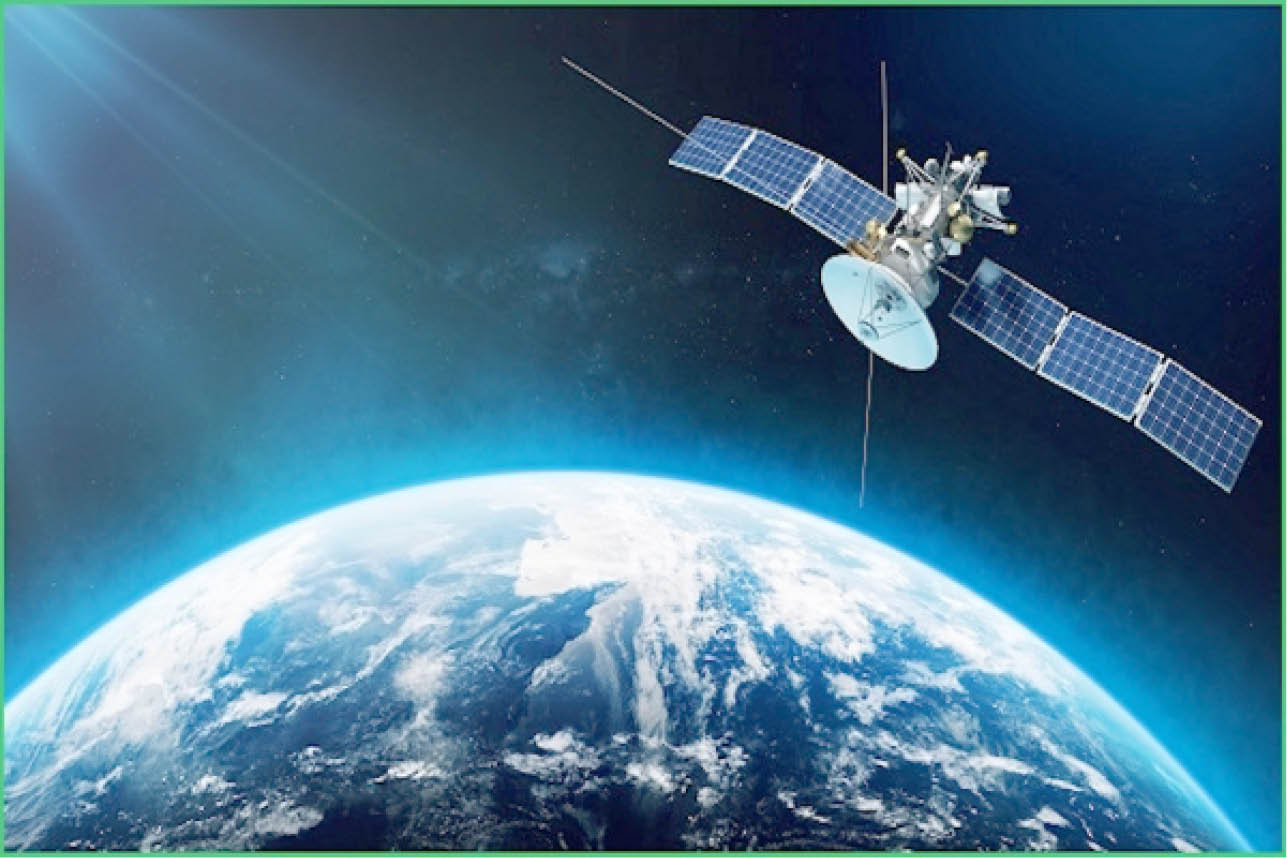
The multi-orbit array of more than 280 satellites known as IRIS² will provide an encrypted backbone for European Union governments and public agencies and develop new commercial services.
Read Also:Telcos Lambast Starlink For Hiking Subscription Prices Without Regulatory Approval
“In an increasingly complex geopolitical world, ensuring resilient, secure, and fast governmental communications is essential,” Josef Aschbacher, director general of the 22-nation European Space Agency, said in a statement, adding it would boost European competitiveness and create jobs.
The project is the European Union’s third major initiative in space after the Galileo navigation system and the Copernicus Earth observation network, which monitors climate change.
It has been beset by differences over industrial work share and concerns from some countries, led by Germany, over the cost. But officials say the rapid expansion of Musk’s Starlink spurred efforts to shore up Europe’s so-called “digital sovereignty.”
Read Also: ATCON Calls For Review Of Starlink Operations For Fair Competition
The partially EU-funded development involves a consortium of three satellite operators—Eutelsat, Hispasat, and SES—and calls for the first launch in mid-2029 and a full roll-out by the end of 2030.
It comes after Europe’s two leading satellite manufacturers—Airbus and Thales Alenia Space—pulled out of the SpaceRise consortium amid concerns over economic risks as they grappled with losses on existing projects.
Europe’s satellite manufacturers are struggling to cope with the arrival of Starlink, developed by Musk’s SpaceX, which already accounts for some two-thirds of satellites in orbit. They also face a drop in demand for large commercial satellites.