- ADC Alleges Political Intimidation, Selective Prosecution Ahead Of 2027
- Anti-Graft Agency Insists Court Order Limits Visitors To Family, Lawyers, Doctors
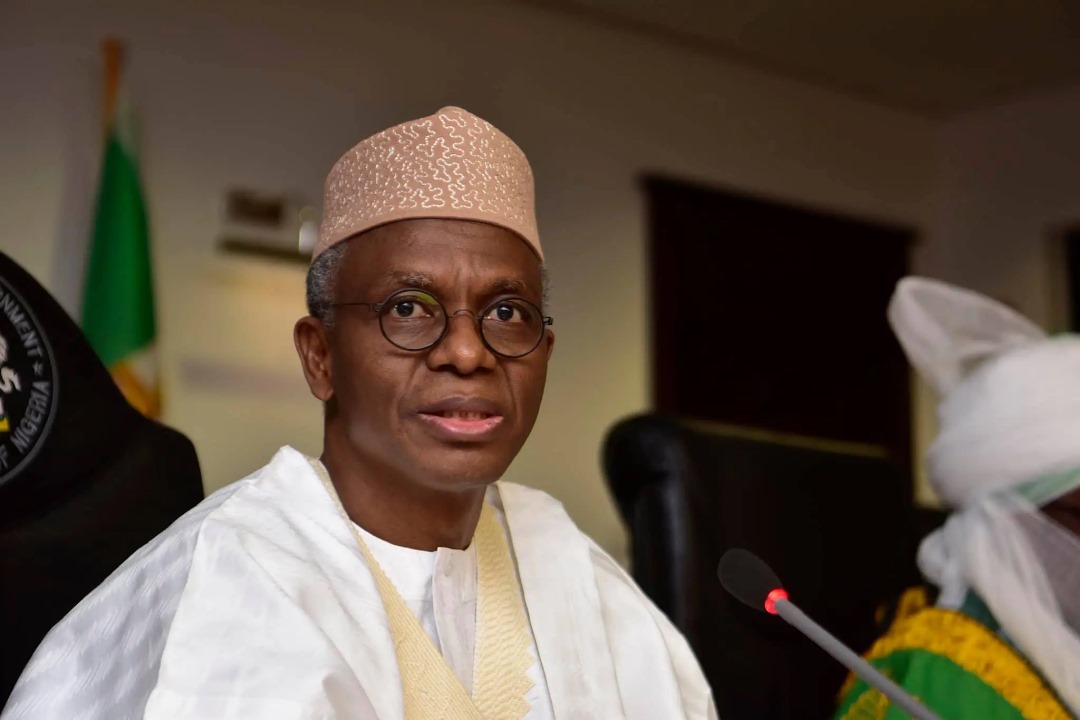
Former Kaduna State Governor Nasir El-Rufai’s arrest, which started as a routine anti-corruption investigation, has swiftly turned into a massive political showdown between the Independent Corrupt Practices and Other Related Offences Commission and the African Democratic Congress.
The political debate over the access to which El-Rufai will be allowed while in custody has become the focal point of the escalating controversy, and is also fueling opposition fissures and anti-corruption campaigns.
The clash between the ADC and the ICPC intensified on Friday when the top officials of the body showed up at the ICPC headquarters in the federal capital of Abuja to meet the former governor, a vocal opposition leader. The delegation’s access was refused.
This move immediately sparked opposition party outrage.
In a strong reaction, the ADC alleged this is what the anti-graft agency is doing, and that it is doing it deliberately to keep El-Rufai away from political associates in “suspicious circumstances”.
The Party’s spokesperson cautioned against the development because it is likely to add to the existing concerns of the citizenry regarding selective prosecution and the alleged political intimidation which is currently casting a pall over the country ahead of the next electoral cycle.
The issue received more traction after it was said members of El-Rufai’s family had been denied freedom to access food, medical services and visitors following his decision to follow up on the invitation of investigators.
However, ICPC has staunchly denied the allegations.
Reacting to the wave of backlash, the commission said the allegations by the ADC were “false and misleading”, adding that all actions taken with reference to the detention of El-Rufai were based on court directions and not “political”.
The commission made this known in a written communication to the ADC upon his request, Okor Odey, the spokesman of ICPC, said.
“We sent them an official letter saying no on May 21st and received it the 22nd,” Odey said. “We were not aware that they were doing anything illegal.”
The commission stated that the decision was taken on the back of a pending court order that has been filed against him by the Kaduna State High Court and the Federal High Court in Kaduna where he is continuing his legal actions.
The commission said the court order explicitly lists the kinds of individuals who can visit the former governor in custody.
Only family members, medical representatives and lawyers are allowed to be present.
ICPC said that political acquaintances and party officials were not among the approved categories.
The anti-graft agency should have cleared up the controversy with the explanation.
However, the ban has further raised suspicions among the opposition that the anti-corruption fight is becoming ever more politicised.
The ADC has defined the development as part of a larger push to silence opposition, silence critics of the current political system.
El-Rufai has dramatically shifted his political course from a prominent member of the ruling All Progressives Congress (APC) to a vocal critic of government, giving the case a powerful political strand which has not been publicly presented.
The former Kaduna Governor was once one of the more powerful personalities in the APC, but in recent years has become a vocal dissenter whose new-found trend to oppose the ruling APC has brought him to the national spotlight.
The political transition has further highlighted his ongoing legal issues.His ongoing legal problems have been put in the spotlight with the change in politics.
Even as far back as the ICPC headquarters, there were reports of the police being on a heightened alert, but the commission dismissed this as routine and unrelated with the ADC’s visit.
However, in a highly polarized political environment, perception can sometimes be as important as official explanation, in Nigeria.
Opposition elements take ICPC’s simple enforcement of judicial orders as an alarming sign of institutional excess and diminishing political tolerance.
The escalating battle may have a wider impact than El-Rufai’s legal challenge, political commentators say.
The case is slowly becoming a national test to determine the ability of Nigeria’s anti-corruption institutions to work free from political taint particularly when opposition actors are involved.
El-Rufai’s detention is no longer being seen as a judicial issue as the case goes to court.
It has turned into an emblematic site in the broader power struggle over opposition and distrust of state institutions.
As of now, the political storm outside ICPC walls does not seem to be abating as the ex-governor continues to call the shots in the hall.