At the ongoing Aviation and Aerospace Development Summit, a keynote message underscored the critical role of aviation in unlocking Nigeria’s economic potential and boosting intra-African trade.
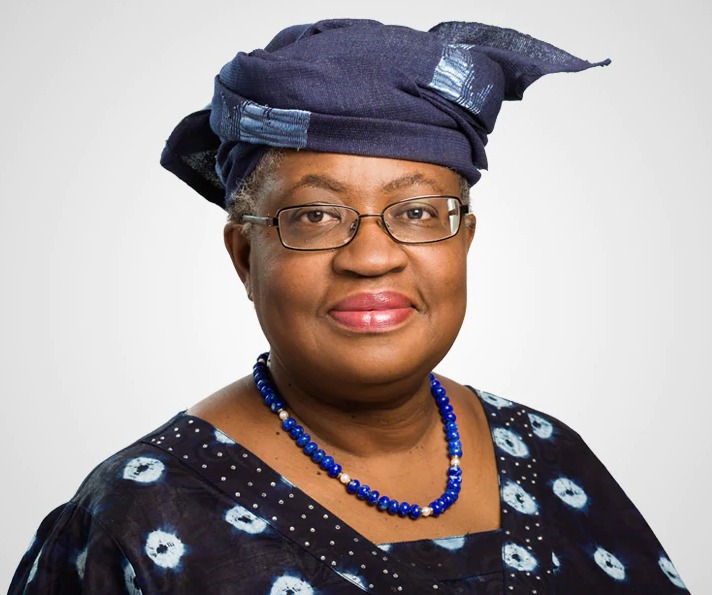
Speaking at the event, the Director General of the World Trade Organisation (WTO) Dr Ngozi Okonjo-Iweala who addressed participants via video message, praised the Federal Government of Nigeria and the Minister of Aviation, Festus Keyamo, for convening the summit.
She emphasized that aviation is not merely a complement to trade but a fundamental enabler of global commerce, particularly for high-value and time-sensitive goods such as pharmaceuticals, electronics, perishables, and e-commerce parcels.
Despite progress in recent decades—including new airports, private airlines, and improved safety records—the Nigerian aviation sector still faces structural challenges. Poor air connectivity across Africa often forces passengers to transit through Europe, raising costs and limiting trade. This, the speaker noted, contributes to Africa’s low intra-continental trade levels, which stand at just 16%, and its modest 3% share of global trade.
Statistics reveal both achievements and untapped potential: Nigerian airports handled 195,700 tons of air freight in 2023, International tourists arriving by air contributed $760 million to the economy last year, the aviation sector supports over 216,700 jobs and contributes less than $3 billion to GDP .
For a country of Nigeria’s size, these figures suggest significant room for growth. The message called for investment not only in aircraft acquisition but also in airport infrastructure, air navigation services, and maintenance culture. High ticket prices, elevated fuel costs, and airport charges—estimated at 12–15% above global averages—were identified as barriers to competitiveness.
Public-private partnerships were highlighted as a proven model to modernize airports and logistics hubs, with government providing regulatory certainty and long-term concessions, while the private sector brings capital and operational expertise.
The summit also spotlighted the Single African Air Transport Market (SAATM), launched in 2018 under the African Union’s Agenda 2063. Nigeria was urged to champion this initiative, which seeks to liberalize aviation across the continent, reduce bilateral restrictions, and foster growth in trade and tourism.
The address concluded with a call to treat aviation as a strategic economic enabler rather than a revenue source, stressing that improved connectivity would lower fares, expand trade, and strengthen Nigeria’s position as a gateway between West Africa and global markets.