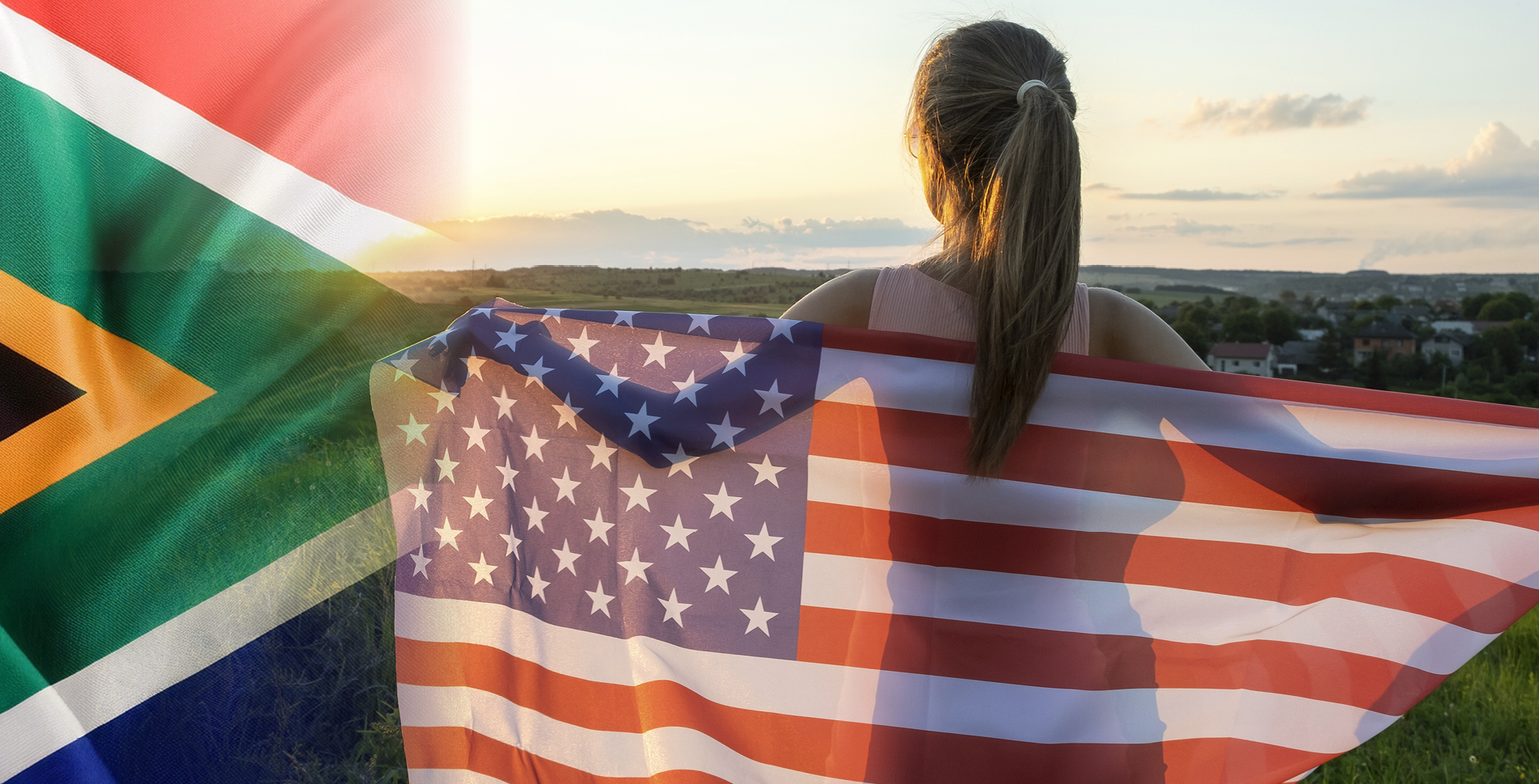
Nearly 70,000 South Africans have expressed interest in relocating to the United States following Washington’s initiative to resettle members of the country’s Afrikaner community, according to the South African Chamber of Commerce in the USA (Saccusa).
The organization reported an overwhelming number of registrations from individuals seeking details about the program.
In a February executive order, former U.S. President Donald Trump declared that Afrikaners—descendants of predominantly Dutch settlers from the 17th century—qualified for refugee status as they were “victims of unjust racial discrimination.”
The move further strained diplomatic relations between the U.S. and South Africa, which have been deteriorating since Trump took office.
Saccusa described the submission of the registration list to the U.S. embassy in Pretoria as a “significant milestone.” An embassy representative confirmed receipt of the document.
According to Saccusa President Neil Diamond, 67,042 individuals registered, with most applicants aged 25 to 45 and having two to three dependents. The majority bore Afrikaner or English surnames.
Saccusa, a business organization representing South Africans in the U.S., is not a government entity but became involved in the process due to the high volume of inquiries.
While some white South Africans claim to face discrimination, their concerns have gained traction among right-wing groups in the U.S.
However, more than three decades after apartheid ended, South Africa’s white minority continues to control much of the country’s private land and wealth.
Tensions escalated in January when South African President Cyril Ramaphosa enacted legislation allowing land expropriation without compensation in cases deemed to serve the “public interest.”
The move fueled calls for land redistribution, with activists pushing for farmland transfers from white landowners to Black South Africans.
Trump responded by extending refugee status to Afrikaners, later expanding it to include all South African farmers, calling the country “a dangerous place for them.” By April, he had also cut financial aid to South Africa. Ramaphosa pushed back, asserting that no land had been confiscated and that the law aimed to ensure “fair and just access to land in accordance with the constitution.”
Despite these assurances, diplomatic hostilities have continued. Last week, Washington expelled South Africa’s ambassador, with U.S. Secretary of State Marco Rubio branding him a “race-baiting politician.”