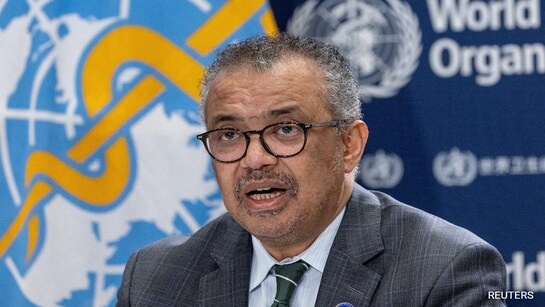
The World Health Organization (WHO) Director-General, Tedros Adhanom Ghebreyesus, is rallying international support to prevent the United States from following through with President Donald Trump’s decision to withdraw from the U.N. health agency.
During a crucial budget meeting on Wednesday, officials from various countries expressed grave concern over the potential loss of the U.S., the WHO’s largest donor, as revealed by internal budget documents obtained by the Associated Press.
In the 2024-2025 period, the United States has contributed an estimated $988 million to WHO—around 14% of the organization’s total budget of $6.9 billion.
Read Also: WHO Regrets U.S. Withdrawal, Hopes For Reconsideration
This significant contribution supports critical health programs, including emergency operations in the Middle East, Ukraine, Sudan, and polio eradication efforts.
A confidential report highlighted that the U.S. funds over 80% of the WHO’s emergency functions in Europe and covers 95% of the organization’s tuberculosis efforts in Europe, as well as more than 60% of TB programs in Africa and the Western Pacific.
WHO’s deputy director-general, Michael Ryan, stressed the devastating impact of the U.S. withdrawal, warning that it would lead to diminished global cooperation and jeopardize future health operations.
Read Also: WHO Chief Expresses Confidence On Reaching New Deal On Future Pandemic Prevention
“This decision isn’t just about leaving a building in Geneva—it’s about severing ties with a global community that relies on collaboration,” Ryan said.
WHO’s Tedros also emphasized the importance of reintegrating the U.S. into the organization, calling it essential for continuing global health efforts.
Despite Trump’s claims that WHO mishandled the COVID-19 pandemic and failed to enact reforms, Tedros defended the organization’s early warning efforts and its reforms, which include expanding its donor base.
In a private discussion with diplomats, WHO representatives outlined a bleak future for the agency without U.S. funding, with projected cash flow challenges by mid-2026.
Read Also: WHO Africa Director-Elect Passes Away During Treatment In India
Countries like Bangladesh and France have already inquired about how WHO plans to cope with the financial loss.
Some experts argue that the U.S. exit could serve as an opportunity to rethink and strengthen global health strategies, though the immediate consequences could be dire.
WHO officials are now calling on countries worldwide to step up and support the agency in light of the impending funding gap, which could have far-reaching effects on global health efforts.