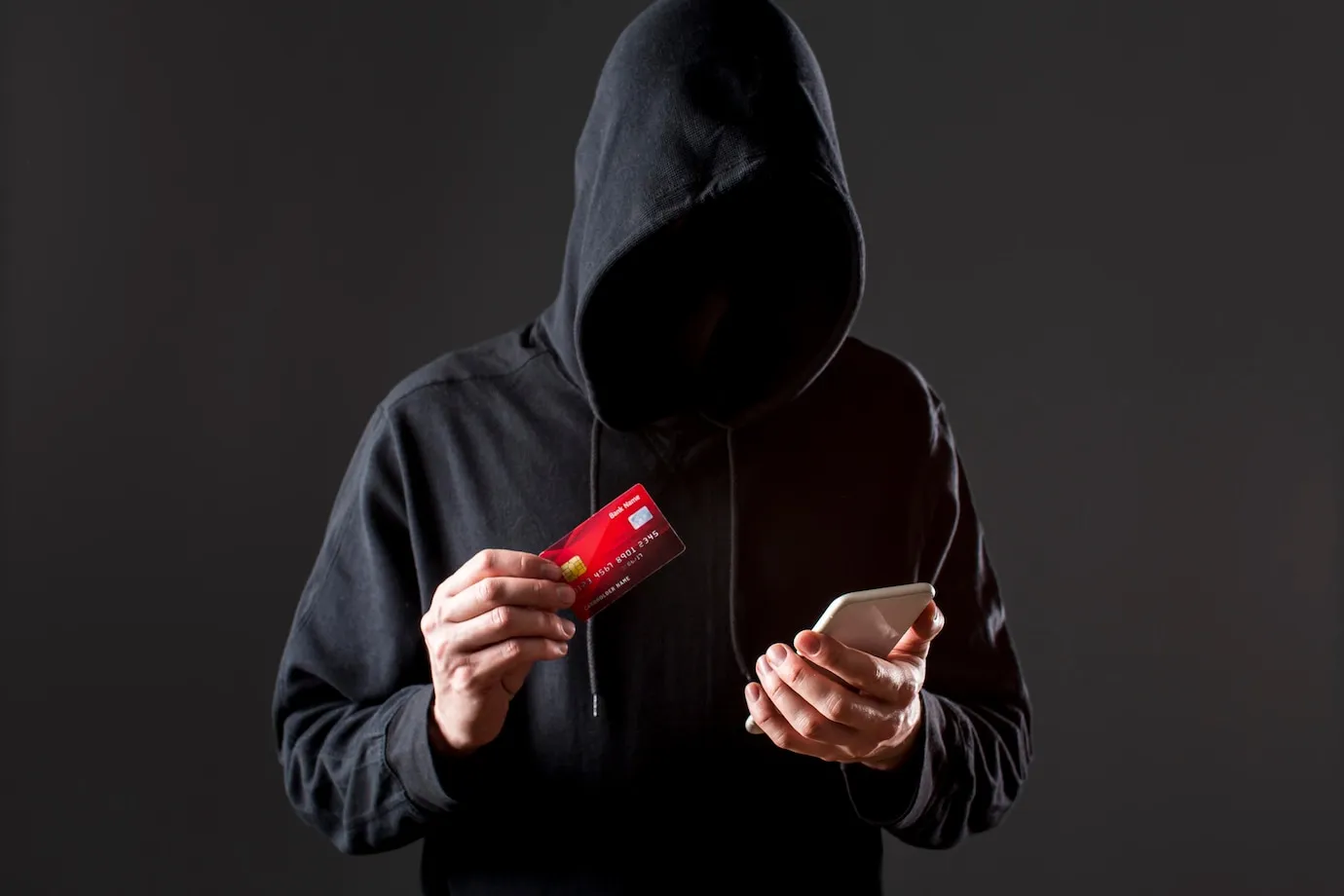
One of the much deal of turbulence of the online world is having to face fraud and cyberscams or worse identify theft online.
If you happen to fall a victim of these crimes, you may have it all overwhelmingly stressful right now, but its important you do not ignore taking immediate and effective action. This will help you to curtail the damage as well as put you on the course of recovering your financial security.
Here is a comprehensive guide to the steps you should follow if you suspect you’ve been targeted and a list of some immediate action we recommend taking.
Immediate Actions to Take
Contact Local Authorities: Start by reporting the incident to your local police department. If you’re travelling, file the report in the city where you first noticed the breach. Having an official report is critical for investigations and as proof for financial institutions.
Review Your Credit Report: Access your free credit report at AnnualCreditReport.com. Look for unfamiliar inquiries or accounts that may have been opened in your name. You’re entitled to one free report from each major credit bureau annually—consider staggering these checks every four months.
Alert Your Credit Card Issuers: Report any compromised credit cards to their issuers immediately. While the card will be reissued with a new number, do not close the account. Closing older accounts can negatively impact your credit score.
Scrutinize Bank Statements: Print out the last 90 days of your bank statements and review them carefully for any unauthorized transactions. If you find suspicious activity, contact your bank to request a new debit card and account number. Don’t forget to update your card details with merchants you use regularly, such as Amazon.
Secure Your Devices: Take your computer to a reputable electronics store to ensure it is free of viruses and malware. Avoid logging into online banking or sensitive accounts until your devices are secure. Install robust antivirus software on your phone and computer to protect against future threats.
Change Your Passwords: Update the passwords for all your accounts, starting with your primary email address. A simple rule: change your passwords as often as you change your toothbrush. Use unique, complex passwords and consider employing a password manager for added security.
Freeze Your Credit: Place a credit freeze with the three major credit bureaus: TransUnion, Equifax, and Experian. This prevents unauthorized access to your credit file, making it harder for criminals to open new accounts in your name. Freezing your credit is often free and should be done proactively, even if you’re not a victim of fraud.
Monitor Your Social Security Account: Visit ssa.gov to review your Social Security account for any discrepancies, especially in your earnings statement. Fraudulent activity here can have long-term implications for your benefits.
File a Complaint with the Federal Trade Commission (FTC): Submit a report to the FTC at IdentityTheft.gov. This step helps document the fraud and provides you with a recovery plan tailored to your situation.
Preventative Measures for the Future
Use Contactless Payment Methods: Opt for contactless debit or credit cards to avoid skimming devices commonly found in ATMs and gas station card readers. Tap-and-pay technology offers a safer alternative.
Prioritize Credit Over Debit for Travel: When traveling, use a credit card instead of a debit card. Credit cards offer better fraud protection and are easier to dispute unauthorized charges without freezing access to your funds.
Shred Personal Documents: Invest in a shredder to destroy sensitive documents before discarding them. This simple step can prevent dumpster-diving thieves from accessing your personal information.
Avoid Clicking on Unknown Links: Be cautious about clicking on links in unsolicited emails or messages. Fraudsters often use phishing tactics to steal your login credentials and other sensitive data.
Use a Separate Online Account for Shopping: Consider opening a dedicated online bank account with its own debit or credit card for e-commerce. Limit the funds in this account to minimize exposure in case of fraud.
Be Wary of Payment Apps: Avoid accepting payments via Cash App or Zelle from individuals you don’t know. For business transactions, send invoices through legitimate payment processors. If someone requests a refund, return the funds using the same method they were sent.
Recognize Red Flags in Payment Requests: No legitimate organization will ask for payments in gift cards or cryptocurrency. These requests are often signs of scams—be skeptical and ask questions.
Protect Your PIN and Verification Codes: Never share your PIN or text verification codes with anyone, even bank employees. No vendor or service provider needs this information to process a transaction.
Additional Safety Tips
Use Disposable Debit Cards for Travel: When vacationing, consider purchasing disposable prepaid debit cards. Load them with small amounts of money and use them for transactions at street vendors or other high-risk locations.
Lock and Monitor Your Accounts: If you suspect unauthorized access, immediately lock your financial accounts. Many banks and credit card providers offer this feature via their mobile apps.
Trust Your Instincts: If an offer or situation seems too good to be true, it probably is. Stay vigilant and always verify information before taking action.
Conclusion
Recovering from online fraud or identity theft can be a challenging process, but taking the steps outlined above can help you regain control and safeguard your financial well-being. Remember, prevention is always better than cure. By adopting good habits and being proactive about securing your information, you can reduce the likelihood of falling victim to cybercriminals in the future.