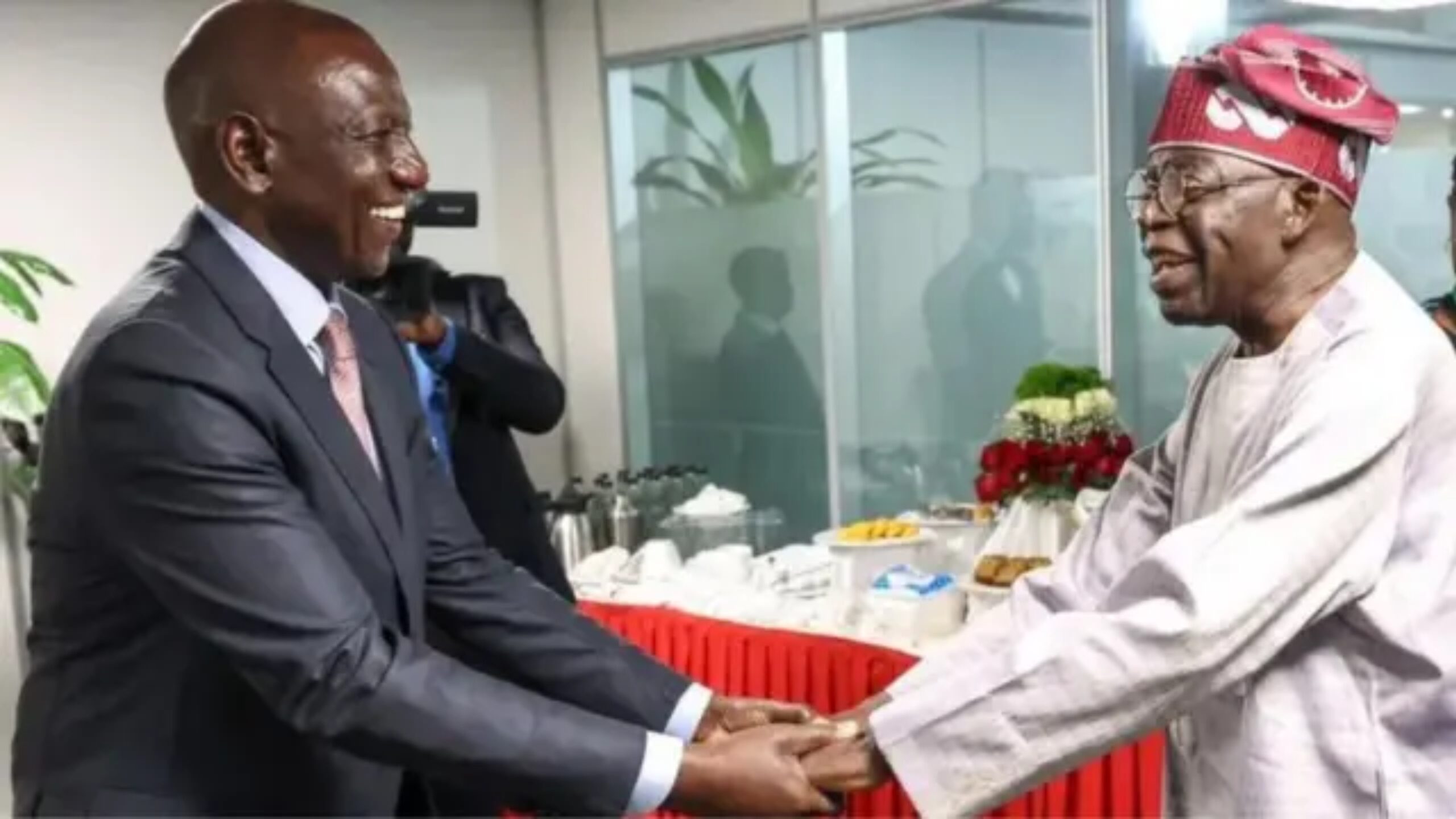
The Organised Crime and Corruption Reporting Project (OCCRP) has ranked Nigerian President Bola Ahmed Tinubu as the third most corrupt leader globally.
This ranking followed OCCRP’s global nominations to spotlight individuals whose actions exacerbate corruption and deepen poverty.
Kenyan President William Ruto topped the list, while former Indonesian President Joko Widodo was ranked second.
Despite Tinubu’s placement, the title of “Person of the Year” went to Syria’s ousted leader Bashar al-Assad, who is currently in exile in Russia.
OCCRP cited several allegations against Tinubu, and President Ruto including Nigeria’s President tenure as Lagos State Governor (1999-2003), during which he reportedly amassed wealth for himself and his family.
As president, Tinubu has faced criticism for awarding the multitrillion-naira Abuja-Calabar road project to a company owned by his son, further fueling fears of systemic corruption.
Additionally, Tinubu’s past involvement in a Chicago cocaine case and allegations of certificate forgery after his inauguration influenced his inclusion in the ranking.
Despite the accusations, Tinubu, 72, has consistently denied all claims of corruption.
The OCCRP noted: “The judges acknowledge the importance of public interest and outrage at corruption,” underscoring the significance of the ranking in holding leaders accountable.
READ ALSO: 2027: Coalition Against Tinubu’s Re-Election Suffers Setback
Meanwhile, the Organised Crime and Corruption Reporting Project (OCCRP) also revealed that Kenyan President William Ruto was overwhelmingly nominated as the most corrupt leader of 2024 due to a series of contentious issues that plagued his administration throughout the year.
According to the organisation, Kenyans cited corruption, escalating youth unemployment, and the controversy surrounding a contentious finance bill as the primary reasons for their nomination.
In a statement, OCCRP noted: “Kenyans called out corruption, youth unemployment, and a contentious finance bill. Their extraordinary outpouring and demands for accountability were remarkable.”
The overwhelming response highlighted public frustration and a strong demand for transparency and accountability within the Ruto administration. The announcement has intensified discussions around governance and the need for reform in Kenya.