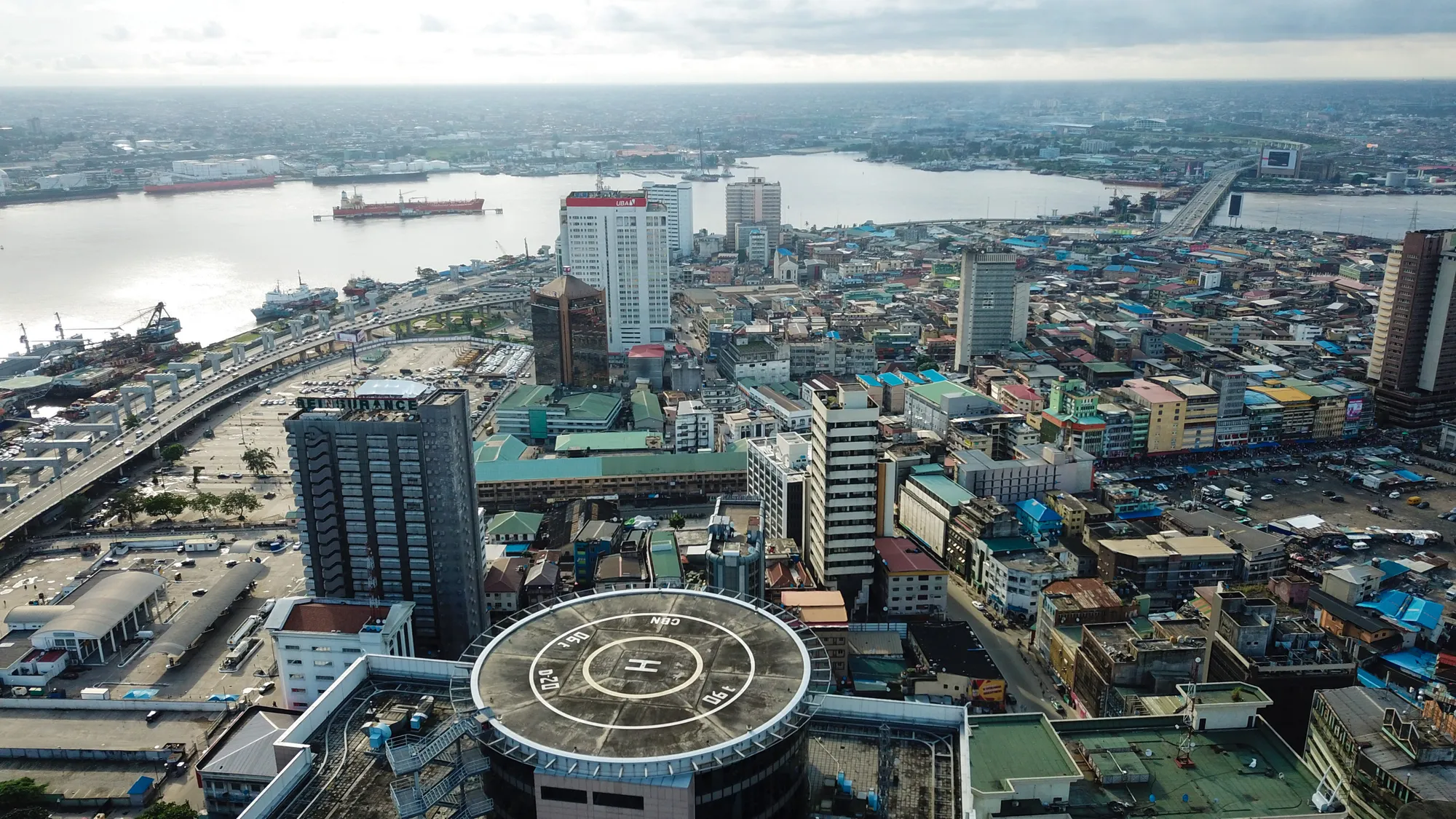
How much does inflation really cost you? For Nigerians, the answer to this question comes with some painful expressions as inflation continues to soar, pushing the cost of living to all time new heights. Looking the data from Nigeria Bureau of Statistics (NBS), headline inflation reached a staggering 34.60% in 2024, up from 33.88% in October 2024.
This incessant rise is eroding household incomes and reshaping the economic landscape for millions of Nigerians nationwide. But what’s driving this surge? And which states are hit the hardest by these skyrocketing costs? Read on to find out more.
Inflation numbers and what you need to know
Inflation is more than just a statistic. It’s a reality that affects what you pay for food, transportation, and essential goods every day.
- Headline Inflation Rate: 34.60% in , up from 33.88% in October.
- Food Inflation: 39.93% year-on-year, reflecting sharp increases in staple food prices like rice, yam, and maize.
- Monthly Trends: saw a slight deceleration in the month-on-month rate at 2.638%, compared to October’s 2.640%.
These numbers tell a story of rising costs, particularly for food, which accounts for a significant portion of household spending in Nigeria.
Why Inflation Is Surging in Nigeria?
Inflation doesn’t happen in isolation. It’s driven by a combination of factors that exacerbate each other.
- Food Prices: Staple items like rice, maize, and yam are becoming luxury goods for many. Prices of fish, dairy, and meat are also rising, putting pressure on family budgets.
- Transportation Costs: Fuel price hikes and supply chain disruptions are making goods more expensive to move and distribute.
- Insecurity: In states like Zamfara and Yobe, insecurity has disrupted farming and trade, reducing food availability and pushing prices higher.
- Supply Chain Issues: Poor infrastructure and inefficient logistics have made it harder to get goods to market, further inflating costs.
The Ten Most Expensive States in Nigeria
Some states are bearing the brunt of these challenges more than others. Here’s a closer look at the top 10 states with the highest inflation rates in 2024:
10. Gombe
In Gombe, food inflation rose to 46.63%, reflecting seasonal price surges and transportation challenges. The state’s overall inflation climbed to 38.1%, up from 36.88% in October. For many households, the struggle to afford essentials is intensifying.
9. Sokoto
Sokoto saw slight relief in its all-item inflation rate, which dropped to 38.7% from 39.99%. However, food inflation remains critically high at 51.3%, signaling persistent struggles with affordability.
8. Abia
As a commercial hub, Abia faces unique pressures. Inflation reached 39.0%, driven by rising food prices at 46.0%. The bustling activity in Aba and other urban centres amplifies demand, pushing prices higher.
7. Kano
Kano, a major trade hub, recorded an all-item inflation rate of 39.37%. Food inflation rose to 45.34%, reflecting increased demand and transportation costs in this densely populated state.
6. Zamfara
Insecurity has made life in Zamfara increasingly expensive. Food inflation soared to 46.01%, while overall inflation reached 39.41%. Disruptions in farming and supply chains are leaving residents with limited and costly options.
5. Oyo
Oyo’s inflation spiked to 39.5%, with food inflation at 44.38%. As a transit and commercial hub, the state grapples with rising costs for transportation and housing, adding to the financial burden.
4. Yobe
Food prices in Yobe have skyrocketed, with food inflation hitting 49.69%. Overall inflation surged to 40.42%, reflecting severe supply chain disruptions and insecurity.
3. Anambra
Anambra’s bustling markets in Awka and Onitsha are feeling the heat. Inflation rose to 40.48%, with food inflation climbing to 45.94%. Rising demand and transportation costs are driving this surge.
2. Kebbi
Despite its agricultural potential, Kebbi’s inflation rate hit 42.4%, with food inflation at 46.29%. Poor infrastructure and inefficient markets are limiting the state’s ability to keep food affordable.
1. Bauchi
Bauchi tops the list with an all-item inflation rate of 46.2%. Interestingly, food inflation at 40.48% is lower than other states, but non-food items like housing and transportation are driving the high cost of living.
How Inflation Impacts Daily Life of citizens
Inflation isn’t just about numbers; it’s about survival. When prices rise, the most vulnerable are hit hardest.
- Families: Households are forced to cut back on essential items like food and medicine.
- Businesses: Rising costs for raw materials and transportation are squeezing profits.
- Students: Higher prices for books, transport, and food make education less accessible.
The ripple effects are felt across every corner of the economy, from small shops to large industries.
What Can Be Done?
Addressing inflation requires targeted solutions:
- Improving Infrastructure: Better roads and logistics can reduce transportation costs.
- Boosting Agricultural Production: Supporting farmers with tools, seeds, and security can stabilize food prices.
- Strengthening Supply Chains: Efficient supply chains can lower the cost of moving goods.
- Policy Reforms: Government interventions like subsidies and tax breaks can ease the burden on households.
In conclusion
Inflation is more than an economic term; it’s a lived experience for millions of Nigerians. From Bauchi to Gombe, rising prices are reshaping how people live, work, and plan for the future.
But with challenges come opportunities for change. By understanding the causes and effects of inflation, we can push for solutions that make life better for everyone.
So, the next time you see a price tag that seems too high, remember: behind it is a story of resilience, struggle, and the hope for a better tomorrow for the people.
It is important that we keep the conversation sustained and work toward a future where everyone can thrive.