- Says Fiscal Deficit Shrinking, Revenue Surge Linked To Subsidy Removal
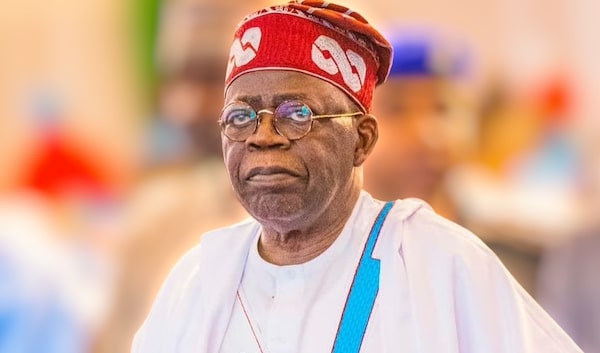
The World Bank has passed a vote of confidence on the economic reforms by President Bola Tinubu’s administration saying they are beginning to show results.
Alex Sienart, the bank’s Chief Economist in Nigeria stated this on Thursday, October 17, 2024, during his presentation at the launch of the recent edition of Nigeria Development Update (NDU) titled, “Staying the course; Progress amid Pressing Challenges”
Sienaert said Nigeria’s fiscal deficit has reduced from 6.2 per cent in the first half of last year to 4.4 per cent in the first half of this year.
READ ALSO: World Bank Passes Vote Of Confidence On Nigeria’s Economic Reforms, Says Fiscal Deficit Shrinking
Hear him; “We are seeing a fiscal consolidation underway with the fiscal deficit shrinking from 6.2% of GDP in the first half of 2023 to 4.4% of GDP in H1, 2024 and that is largely due to expenditure being roughly constant.”
“So, this surge in revenue is largely due to the removal of implicit subsidy which was even larger than the PMS subsidy that we talk about.
So, if you look, in 2022 the PMS subsidy was around N5 trillion but if you look at the revenues the federal government should have been getting from anything dollar-related be it oil revenues and taxes, customs, etc that hit N6 trillion in 2022.
READ ALSO: Fuel Hike Price: LCCI Urges FG To Clarify Subsidy Policy, Laments 430% Increase Since Tinubu Assumed Office
So, the combined cost was N10.7 trillion or 5% of GDP and that was what was driving the accumulation of Ways and Means.”
Surprisingly, this is coming a few days after the World Bank disclosed that Nigeria must maintain its current reforms for the next 10 to 15 years to transform its economy.
Indermit Gill, senior vice-president of the World Bank Group, while speaking on Monday during the ongoing 30th Nigerian Economic Summit (NES), organised by the NES Group (NESG) in collaboration with the Ministry of Budget and National Planning said the reforms are critical for ensuring long-term growth and enabling Nigeria to compete with other emerging economies in sub-Saharan Africa and globally.
He said the reforms implemented by the current administration must continue to reverse the N10 trillion squandered through petrol subsidy and multiple foreign exchange rates, adding that while implementing the reforms will be challenging, it is essential to persevere.
“Nigeria will need to stay the course of current economic reforms for at least the next 10 to 15 years to transform its economy,” Gill said.
“If these reforms are sustained, Nigeria will transform its economy and become an engine of growth in sub-Saharan Africa.
“It is very difficult to implement such reforms, but the rewards are massive.”