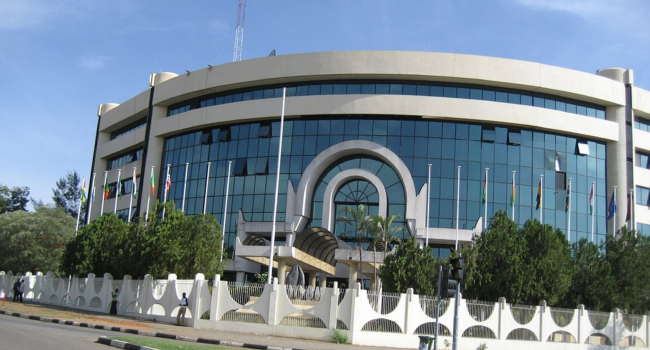
The design for the $15 billion Lagos-Abidjan Corridor Highway Development Project has been authorized by members of the Economic Community of West African States (ECOWAS).
The approval was granted in Lagos State at a meeting. At its subsequent meeting, the committee promised to start the project’s procurement procedure.
The project, which is projected to cost $15 billion and increase regional economic integration, was the topic of discussion during the conference, which was presided over by Nigeria’s Minister of Works, Dave Umahi. Since the project is still in its study phase, thorough planning, research, and design are still under progress.
Highlighting the history and progress of the Lagos-Abidjan Highway Development Project, Umahi mentioned that the project, initiated in 2013, had received significant funding support from the African Development Bank.
He noted that the current meeting aimed to finalise and approve the design of the project, as it was nearing a crucial stage where concrete steps towards implementation could be taken.
He noted that the heads of member states of ECOWAS have met to agree on the project and that various stages of development, including design, environmental impact assessment, and funding mechanisms, had been ongoing for the past 11 years.
On his part, the Minister of Roads and Highways, Ghana, Francis Boakye, emphasised the importance of infrastructure, particularly roads, in driving socio-economic development.
He highlighted how highways could facilitate trade, tourism, and economic activities, and cited the example of the United States’ economic boom as evidence of this correlation.
Boakye emphasised the significance of the Lagos-Abidjan highway project in promoting economic integration within West Africa.
The Lagos-Abidjan Corridor Highway, scheduled to begin in 2025, is part of the greater Dakar-Lagos Corridor and one of the flagship priority development programmes of ECOWAS.
The about 1068 kilometers project will cover five ECOWAS member countries , namely – Côte d’Ivoire, Ghana, Togo, Benin Republic, and Nigeria, and will traverse eight border towns (four country-pair land borders) beginning from Eric Moore and ending in Abidjan.
The project is financed by the African Development Bank.