“On the Nigerian delegation were Olalekan Ogunleye, EVP Gas NNPC Ltd, Maher Giundi, International Business Advisor to the GCEO of NNPC and Odiong Ekanem, Technical Adviser to Minister of State Petroleum Resources (Gas); while the Libyan team had Dr. Basteet Al Ashab, Khalid Jatbi and Yousef Al Shatwi.”
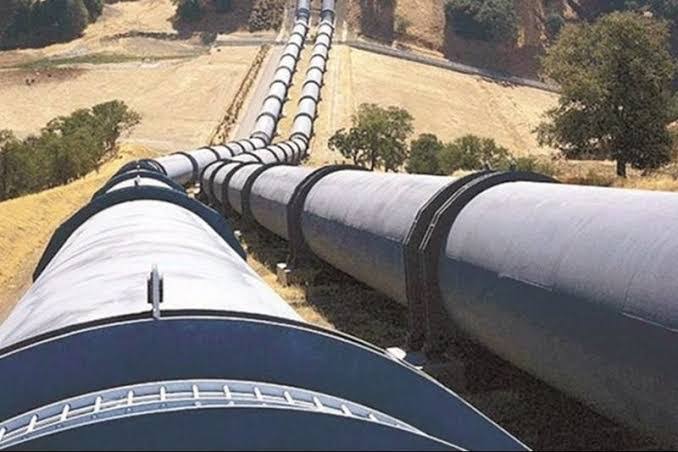
The discussions about constructing a regional pipeline linking Nigeria and Libya have been ongoing, given that both countries are significant oil and gas producers in Africa.
READ ALSO: Conversion Made Easy: Full List Of Centres To Switch Petrol Vehicles To Gas
In 2022, Libya’s former Oil Minister, Mohamed Aoun, suggested that the $13 billion Nigeria-Morocco Gas Pipeline (NMGP) should route through Libya instead of Algeria, another resource-rich nation.
Once completed, this cross-border pipeline is expected to transport gas from Nigeria to various African countries and the European market.
It will stretch 5,600 kilometers, passing through 13 African nations: Nigeria, Benin, Togo, Ghana, Côte d’Ivoire, Liberia, Sierra Leone, Guinea, Guinea-Bissau, Gambia, Senegal, Mauritania, and Morocco.
Nigeria has been shifting from oil to gas for decades, motivated by its abundant gas reserves compared to its crude oil. This transition has been supported by President Tinubu’s recent executive orders aimed at enhancing the gas sector.
Additionally, President Tinubu inaugurated three gas plants in Delta and Imo states, aiming to increase gas production by at least 25 percent.
On June 16, 2023, the Nigerian National Petroleum Corporation (NNPC) signed four memoranda of understanding (MoUs) with five African nations as part of the NMGP project, finalizing agreements with Morocco, Côte d’Ivoire, Liberia, Benin, and Guinea.
Furthermore, on January 30, the NNPC held discussions with a South Korean consortium led by Daewoo Engineering & Construction regarding gas development initiatives in Nigeria.