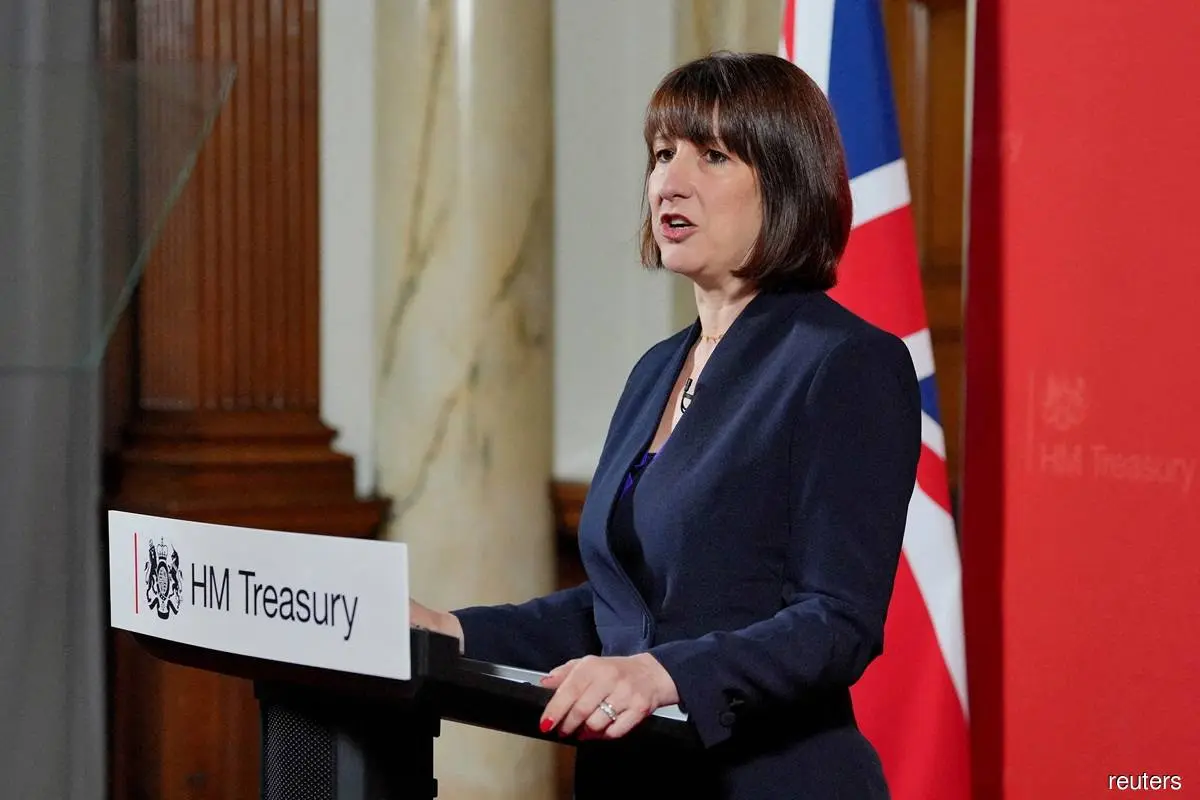
Rachel Reeves, the Shadow Chancellor of the Exchequer is facing a monumental task ahead of the autumn budget, as Britain’s national debt has skyrocketed to its highest level since the 1960s, while consumer confidence has taken a nosedive.
This storm of economic challenges underscores the urgent need for a robust and sustainable financial plan.
According to figures from the Office for National Statistics (ONS), the UK’s national debt reached 100% of gross domestic product (GDP) in August, the highest level since 1961.
Monthly borrowing also rose more than expected, reflecting the increasing strain on public finances.
The Labour Party has repeatedly warned that the economic legacy left by the Conservatives will necessitate “painful” decisions in the upcoming October 30 budget.
These may include tax increases, cuts to welfare benefits, and reductions in other areas of government spending.
Adding to the pressure, data released by GfK on Friday showed consumer confidence plummeted in September to its lowest level since March. The drop is attributed to concerns over potential cuts to winter fuel payments and the prospect of further spending restraints under Reeves’s budget plans.
“Consumers’ reaction to the government’s warnings shows that Reeves will need to be careful not to overdo the fiscal tightening next month,” said Elliott Jordan-Doak, a senior economist at Pantheon Macroeconomics.
The latest ONS snapshot revealed that government borrowing—defined as the difference between public sector spending and income—stood at £13.7 billion in August, an increase of £3.3 billion compared to the same month last year. This figure represents the third highest August deficit since records began in January 1993.
The national debt, which is the cumulative total of every deficit, rose by 4.3 percentage points over the year to August, reaching 100% of GDP. This means the total debt is now equivalent to the annual value of everything produced in the economy.
Darren Jones, the Chief Secretary to the Treasury, pointed to these figures as evidence of the challenging state of public finances inherited from the Conservatives, emphasizing that Labour will have to make “tough decisions” to rebuild the economy.
“When we came into office, we inherited an economy that wasn’t working for working people. Today’s data shows the highest August borrowing on record, outside the pandemic. Debt is at 100% of GDP, the highest level since the 1960s,” Jones said.