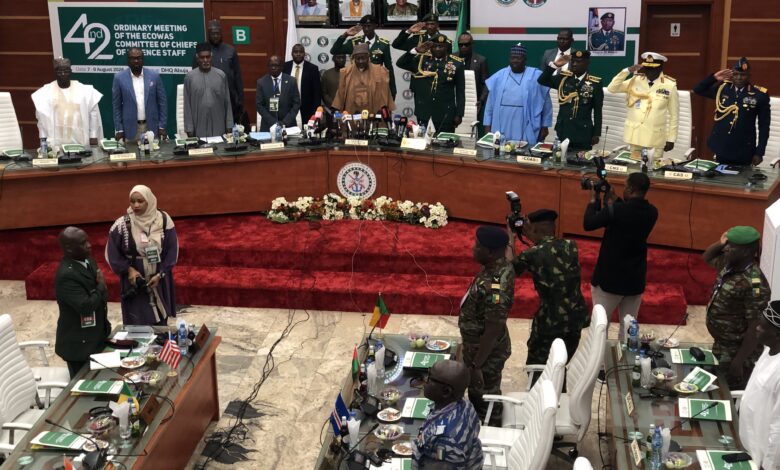
In order to start the procurement process at their upcoming summit, the heads of the ECOWAS member nations convened on Saturday and approved the design of the highway construction project along the Lagos-Abidjan corridor.
Nigeria’s Works Minister Dave Umahi presided over the conference in Lagos where the project—which is projected to cost $15 billion—was reviewed. The goal of the project is to strengthen regional economic integration.
Since the project is still in its study phase, extensive planning, design, and research are still under progress.
Mr. Umahi outlined the background and current status of the Lagos-Abidjan highway improvement project, noting that the project, which was started in 2013, has gotten a lot of financial help from the African improvement Bank.
He noted that the current meeting aimed to finalise and approve the project’s design, as it was nearing a crucial stage where concrete steps towards implementation could be taken.
“The design of the project, ESIA design, conceptualisation, and funding mechanisms have been on in the past 11 years.
“As of today, we are going to listen to the committee of experts in terms of the design, and so we believe that we will finalise and approve the design today, and then we set the goal for procurement, probably in our next meeting,’’ he said.
On his part, Ghana’s Minister of Roads and Highways, Francis Boakye, emphasised the importance of infrastructure, particularly roads, in driving socio-economic development.
Mr Boakye emphasised the significance of the Lagos-Abidjan highway project in promoting economic integration within West Africa.
Amede Kouakou, Minister of Equipment and Road Maintenance of Cote d’Ivoire said he, along with the other ministers involved in the Lagos-Abidjan highway development project, were committed to making accelerated progress with the project.
He specifically spoke of his intention to take deliberate steps to ensure that the project became a reality for the citizens of Cote d’Ivoire and Nigeria.
The Lagos-Abidjan Corridor Highway, scheduled to begin in 2025, is part of the greater Dakar-Lagos Corridor and one of the flagship priority development programmes of ECOWAS.
The about 1068 kilometres project will cover five ECOWAS member countries: Côte d’Ivoire, Ghana, Togo, Benin Republic, and Nigeria. It will traverse eight border towns (four country-pair land borders), beginning from Eric Moore and ending in Abidjan.
The African Development Bank financed the project.
(NAN)