The Federal Ministry of Education has dispelled rumors that students under the age of 18 are barred from taking the West African Senior School Certificate Examination (WASSCE) and the National Examinations Council (NECO) exams.
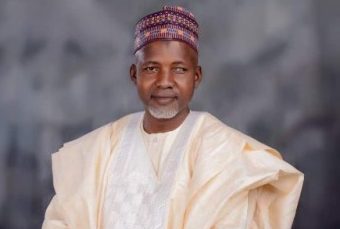
Minister of State for Education, Dr Yusuf Sununu, made the clarification in Abuja on Friday, during a press conference commemorating International Literacy Day.
He emphasized that the ministry is committed to ensuring that all eligible students can participate in these exams, regardless of their age.
Sununu addressed concerns arising from a previous statement by the Minister of Education, Prof. Tahir Mamman, which focused on the 18-year-old entry age requirement for tertiary institutions.
Read Also: Federal Government Sets Age Limit For WAEC Exams
He clarified that this requirement does not extend to secondary school examinations.
To address potential exceptions for exceptionally talented students, the ministry is developing guidelines to identify and support such individuals.
This will ensure that their unique abilities are recognized and accommodated without hindering their educational progress.
Sununu also emphasized the importance of literacy in fostering mutual understanding and peace.
Read Also: BREAKING: WAEC Releases 2024 WASSCE Results
He reiterated the Federal Government’s commitment to addressing literacy challenges through the Education for Renewed Hope roadmap (2024-2027).
The Minister highlighted youth and adult literacy as key priorities, emphasizing the use of learners’ mother tongues as a medium of instruction.
He stressed the need for well-trained educators who can teach in local languages and the development of relevant reading materials.
Read Also: Stakeholders Express Mixed Reactions To FG’s Under 18 Education Policy
The Executive Secretary of the National Commission for Mass Literacy, Adult and Non-formal Education, Prof. Simon Akpama, echoed the importance of multilingual education in promoting peace and cultural respect.
UNESCO’s Country Representative, Mr Diallo Abdourahamane, reaffirmed that literacy is a fundamental human right and emphasized the need for a just, peaceful, and sustainable society.
The International Literacy Day, celebrated annually on September 8, aims to highlight the significance of literacy for individuals, communities, and societies.
This year’s theme, “Promoting Multilingual Education: Literacy for Mutual Understanding and Peace,” underscores the importance of inclusive and accessible education.