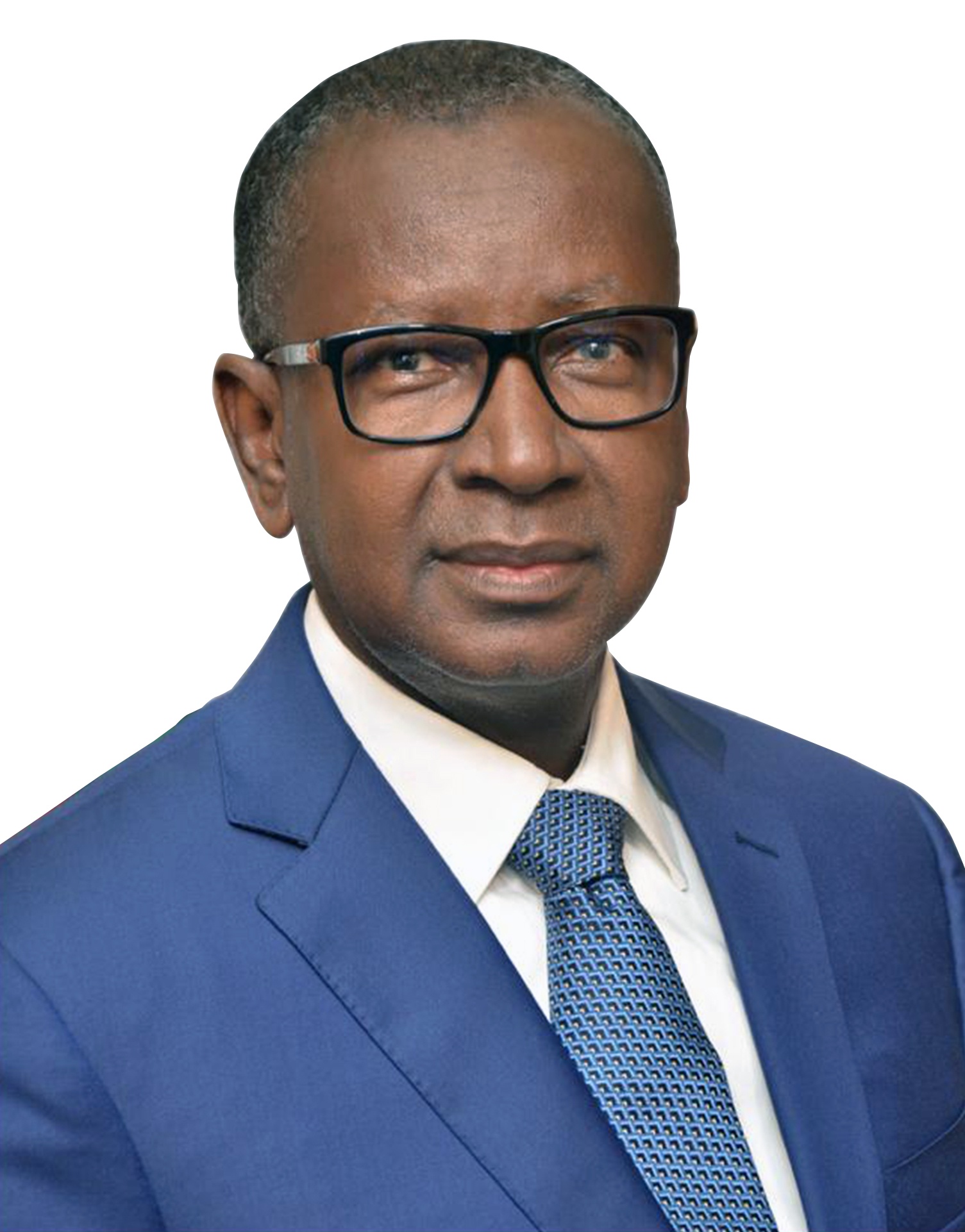
The Nigerian National Petroleum Company (NNPC) Limited’s Chief Financial Officer, Umar Ajiya, has said that the business is open to selling assets as a means of increasing profit margins and generating larger returns in the near future.
During an interview, Ajiya revealed this information on the oil company’s audited financial statement for 2023.
He said that in addition to trying to get the most out of some of its assets, the firm is thinking about selling some that aren’t able to be optimized in order to get greater returns.
“You have a company that is literally just one year old. We started first of July, 2022. 2023 marks our second year of operation.
Read Also: NNPC Ltd Announces LNG Shipment To Japan, China
“We are going to sweat the assets by bringing in partners to sweat them in. We will also sell those assets that we think we cannot sweat ourselves.
“That way, we will rebalance the balance sheet in such a way that the assets are maxed out. We expect the rate of returns to be achieved,” Umar Ajiya said.
NNPC, which reported a 28% increase in profit, reaching N3.2 trillion, holds total assets valued at approximately N246.8 trillion, exceeding Nigeria’s entire Gross Domestic Product (GDP).
Ajiya also stated that the oil company is prepared for public offers, contingent on shareholders’ willingness to invest. He noted that the Petroleum Industry Act (PIA) recommends a two to three-year financial history to assure investors that the national energy giant is on a profitable path.
Read Also: OVH Acquisition: NNPC Ltd Fires Back At Atiku
He emphasized that NNPC has already demonstrated this profitability in the first two years, adding that shareholders are eager to see the company deliver strong performance once it enters the market and becomes a publicly traded entity.
“To go to the public is basically a shareholder’s decision. We are almost there in the sense that we have at least two or three years of financial history to demonstrate to the investors that the company is on a profitable trajectory. We’ve demonstrated that for the first two years.
“Hopefully, the shareholders will decide how much to sell down and unwind. It’s really the shareholders’ call.
“The shareholders are now averse to selling down. They are eager to see us deliver with some strong performance and they can ask us to enter the market at the appropriate time,” the CFO added.