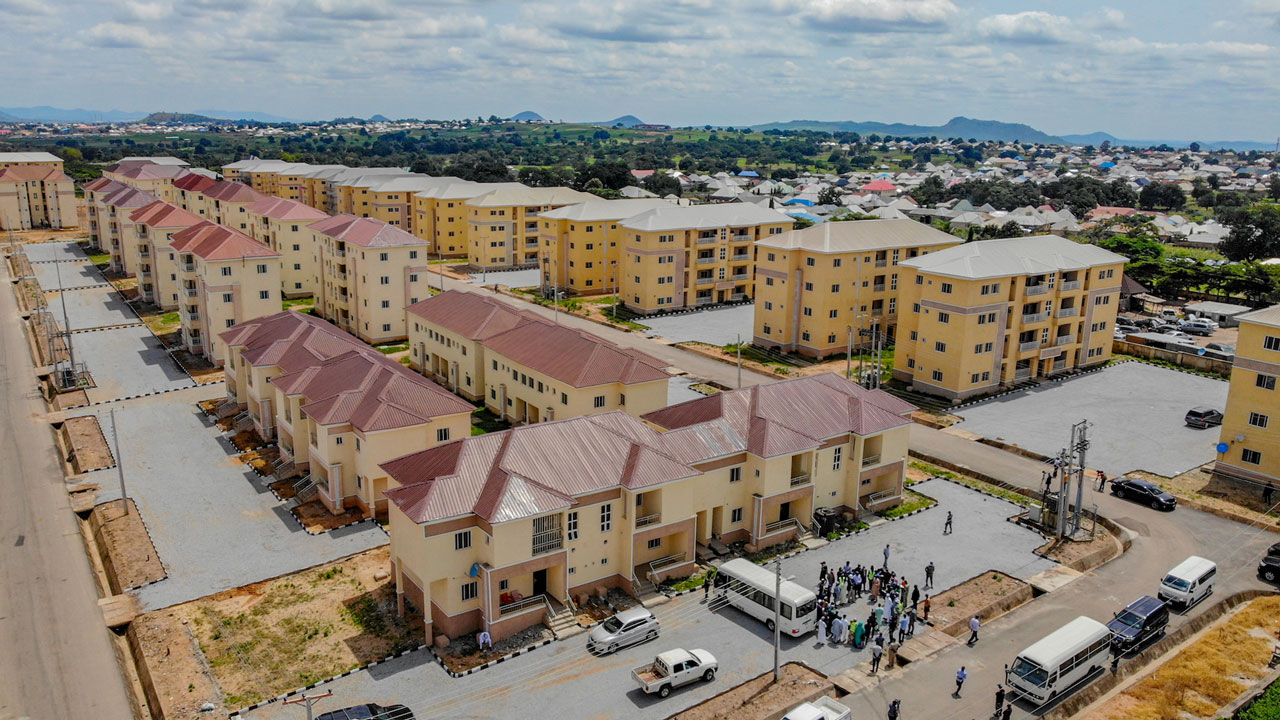
Young unmarried males in their twenties make up the majority of Lagos’ rental market, a thriving metropolis with a varied and expanding population.
The demographics of residential tenants in Lagos are thoroughly analyzed in a recent Buyletive research, which was mentioned in THE MATRIX. The results show a noticeable bias in favor of single male inhabitants.
According to the survey, young, single males make up a sizable share of Lagos’ rental market, and their decisions are mostly driven by economic considerations.
The World Bank’s 2023 data shows a labour force participation rate of 65.9% for men in Nigeria, significantly higher than the 52.2% rate for women.
Read Also: 10 BEST Job Sites in Nigeria for Current Job Vacancies in 2024
Statistics buttress this disparity, reporting that approximately 40 million men were employed in 2023 compared to 31 million women. This economic imbalance contributes to a higher financial capacity among men, making them more prevalent in both rental and property ownership markets.
The analysis reveals that 56.3% of residential respondents in Lagos are men, reflecting a dominant trend among young adults aged 25 to 30.
This age group represents the largest segment of the rental market in the city. The preference for renting over owning is also prevalent among these individuals, a trend influenced by the current economic conditions and the high cost of property ownership.
Additionally, systemic issues such as biases from landlords and restrictions against single women further skew the rental market demographic. Single women often face challenges in securing rental properties, which exacerbates the gender disparity observed in the market.
These biases contribute to the lower representation of women among residential renters compared to their male counterparts.
Read Also: Nigeria Needs N5.5 Trillion To Build 550,000 Housing Units Yearly
“The rental preferences of our respondents in Lagos State are closely related to the demographic composition of the population.
“Approximately 43% of respondents in Lagos live in 2-bedroom apartments, with 1-bedroom apartments following closely behind at 41.5%. “
This trend indicates a strong demand for small to medium-sized apartments, largely Cdriven by single individuals and small families.
Our analysis reveals that the highest rental payments falis within N500,000 to N1 million per annum. This price range aligns with the income distribution among respondents, which is between the N100,000 to N500,000 monthly income bracket.
The dominance of young single men in Lagos’s rental market is a reflection of broader economic and social factors, including the higher employment rates and financial stability of men in comparison to women. As the rental market continues to evolve, these demographic trends will likely influence housing policies and market dynamics in Lagos.