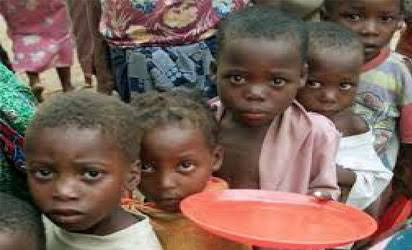
UNICEF research hS shown that 63 nations, including Nigeria and Ghana, have been identified as experiencing food poverty.
Afghanistan, Bangladesh, China, Côte d’Ivoire, the Democratic Republic of the Congo, Ethiopia, India, Indonesia, Myanmar, Niger, Pakistan, the Philippines, Somalia, South Africa, Uganda, the United Republic of Tanzania, and Yemen were also included in the global organization’s most recent report, which was published in June 2024.
Among the others were Haiti, Burkina Faso, Rwanda, Albania, Tonga, Indonesia, Gambia, Tunisia, Nepal, Vietnam, Brazil, Dominican Republic, and Montenegro.
“Across the world, millions of parents and families are struggling to provide nutritious and diverse foods that young children need to reach their full potential,” the report read.
“Growing inequities, conflict, and climate crises, combined with rising food prices, the overabundance of unhealthy foods, harmful food marketing strategies, and poor child feeding practices, are condemning millions of children to child food poverty.”
According to the report, one in four children (27 per cent) is living in severe child food poverty in early childhood, amounting to 181 million children under five years of age.
The body defined child food poverty as children’s inability to access and consume a nutritious and diverse diet in early childhood.
It noted that children living in severe child food poverty are missing out on many nutrient-rich foods, while unhealthy foods are becoming entrenched in the diets of these children, adding that severe child food poverty is driving child undernutrition.
Worried by the issue of child malnutrition, UNICEF called on governments and partners to invest in actions to improve children’s access to diverse and nutritious diets and end severe child food poverty.
“Elevate child food poverty reduction as a requirement for achieving global and national nutrition and development goals and a metric of success in meeting children’s right to food and nutrition; and commit resources to end child food poverty,” it said.