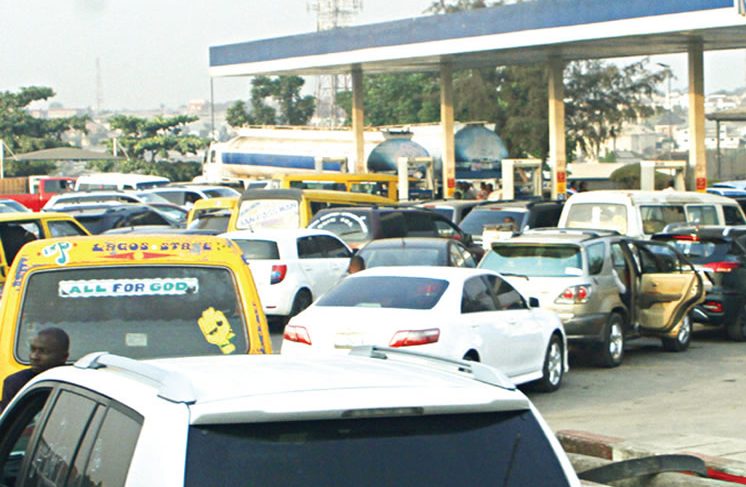
Amid the deepening fuel scarcity nationwide, members of the Independent Petroleum Marketers Association of Nigeria (IPMAN) are preparing for a pivotal meeting of their National Executive Council scheduled for Monday. Their goal? To devise a comprehensive strategy and find a lasting solution to this pressing issue.
In an exclusive interview with Sunday PUNCH, Hammed Fashola, the National President of IPMAN, underscored the urgency of the situation despite recent efforts by the Nigerian National Petroleum Corporation (NNPC) to mitigate the scarcity.
Fashola disclosed that the NNPC, as the sole importer of petroleum products in the country, had already tapped into its reserves across all depots on Friday to alleviate the long queues at fuel stations. Furthermore, the Major Energies Marketers Association of Nigeria received 300 million liters of fuel from eight vessels during the week, distributing it to members across Lagos.
Previously, Ayo Cardoso, the South-West Regional Coordinator of the Nigerian Midstream and Downstream Petroleum Regulatory Authority, confirmed significant fuel offloading at various depots, indicating coordinated efforts to address the scarcity.
However, Fashola emphasized the importance of Monday’s meeting to assess the effectiveness of these recent actions and to further engage with the NNPC on the outcomes. He stressed ongoing collaboration with the NNPC and urged the public to avoid panic buying, ensuring that necessary measures were being implemented to tackle the situation.
Meanwhile, the Petroleum Products Retail Outlets Owners Association of Nigeria (PETROAN) convened a meeting with independent marketers to tackle the persistent scarcity. Dr. Billy Gilly-Harry of PETROAN underscored the necessity for innovative strategies to prevent hoarding and ensure equitable distribution of products, particularly to rural areas, at official rates.
Gilly-Harry expressed confidence in the collaborative efforts between NNPC and independent marketers, noting a positive improvement in fuel availability, particularly in Abuja and the South-South and South-East regions. He highlighted ongoing endeavors to regulate prices and enhance transparency within the industry, indicating a promising path toward resolving the fuel scarcity crisis.