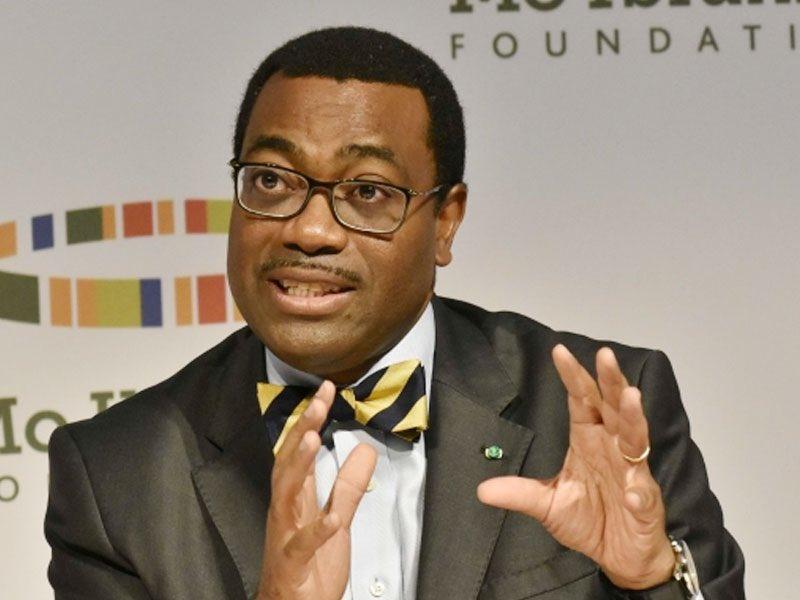
Unsurprisingly, the head of African Development Bank, Mr. Akinwunmi Adesina, recently warned African countries to put an end to natural resource-backed loans citing credible issues with such loans in the long term.
This was stated in an interview Adesina had with the Associate Press where he stated that the natural resource type deals badly and pointed to a bank initiative that helps to renegotiate them.
“The risk that one has with natural resource-backed loans, as far as I’m concerned, is that they are just bad, bad, and bad. First and foremost, because you can’t price the asset properly. If you have minerals, oil, metals, and gas under the ground, it’s not actually being marketed, so how do you actually come up with a price for that for a long-term contract? It’s a challenge.
“Second is that the negotiation is very asymmetric. Most countries that want to do asset-natural resource-backed loans are probably dealing with bigger countries, bigger commercial banks that want to give them a loan and say, ‘Well, look, it’s urgent, we need it. But this is what you have to sign.’ But it is those that actually want to give the loan that has the upper power, not the person who wants or the country that wants to receive the loan.” Mr. Adesina said.
According to Mr. Adesina, the increase in the type of loans for African countries is driven by the shift to renewable energy and electric vehicles causing a spike in demand for critical minerals.
Read Also: AfDB President, Adesina Cautions Nigerian Youths Against Japa Syndrome, Says Their Future Remains Here
Mr. Adesina cited the long-term issues, and the damage natural-resource-backed loans bring to the recipient countries.
Mr. Adesina whose AFDB institution based in Abidjan, Ivory Coast helps finance development for African countries highlighted the issue with natural resource-backed loans.
He stressed the uneven nature of the negotiations with the lenders usually having the upper hand and dictating the terms to the recipient African countries.
These unequal terms and power imbalance coupled with a lack of transparency create a fertile ground for exploitation, Mr. Adesina said.
These are the key issues with natural-resource-backed loans and why African countries must put an end to it.
Read Also: Hardship: AfDB To Boost Food Production In Nigeria With $134m
Additionally, Mr. Adesina said that Natural resource-backed loans pose a challenge for development banks like his and the International Monetary Fund, which promote sustainable debt management.
Recipient African countries might struggle to get or repay loans from the AFDB and IMF because they have to use the income from their natural resources which are often crucial to their economies to pay back Natural resource-backed loans.
Mr. Adesina made an example of Chad’s crippling financial crisis after an Oil backed loan from commodity trader Glencore. Chad is currently using a significant percentage of its oil proceeds to pay up its debt.
Chad, Angola, and The Republic of Congo approached the IMF for financial support. The IMF in reply insisted on the renegotiation of their natural resource-backed loans.
At least 11 African countries have taken dozens of Natural Resource-backed loans worth billions of dollars since the 2000s. China is the leading source of funding for such loans through policy banks and state-linked companies.