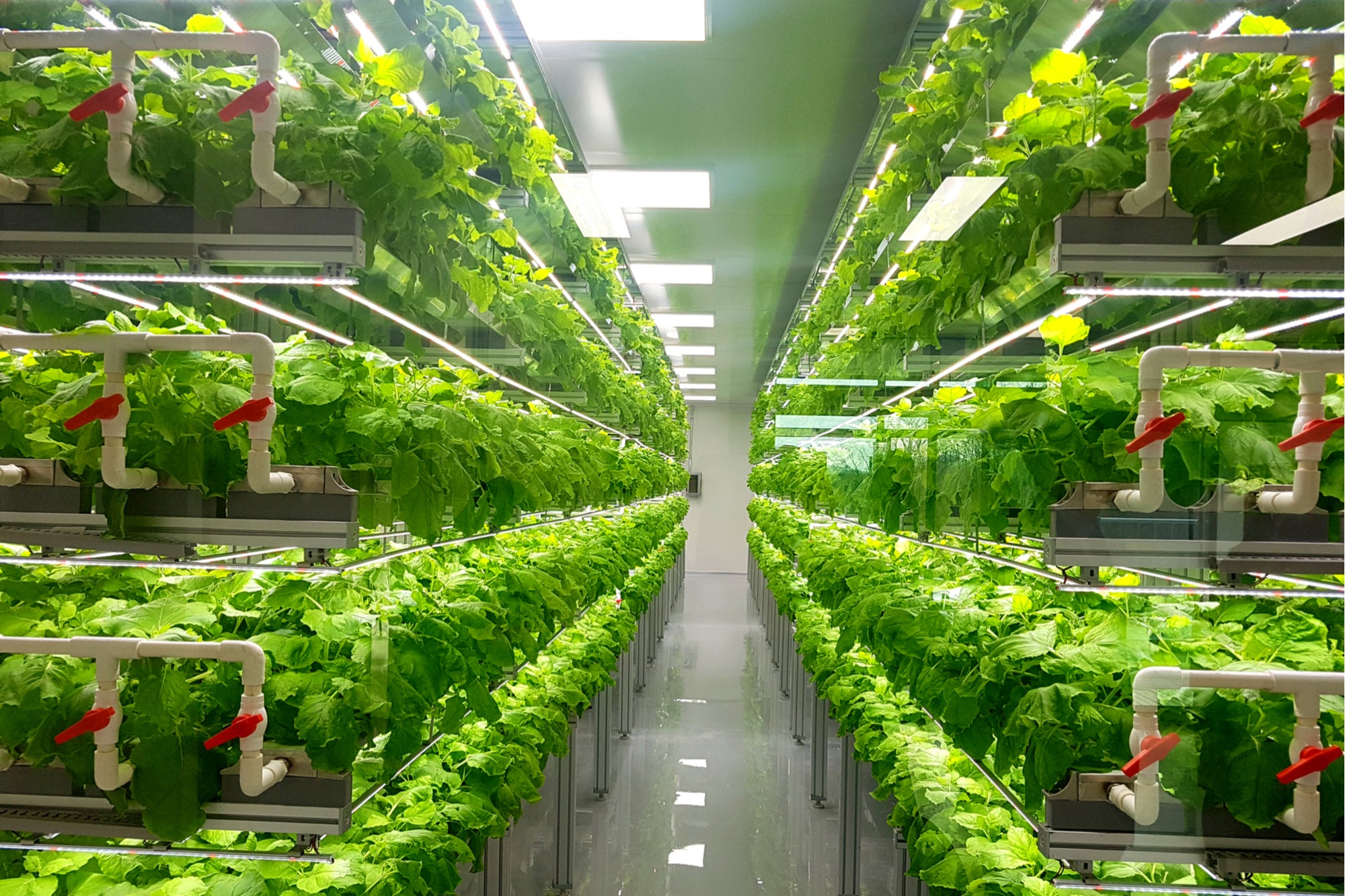
A research-based farming business, Eight Orbit Urban Farms (EOUF), has unveiled plans to build a high-tech indoor farm in Africa.
In addition, the firm also unveiled plans to use Artificial Intelligence AI to revolutionize agriculture in Nigeria and beyond.
These developments were unveiled by Christina Igono, a research scientist based in the United States and founder of EOUF.
The organisation is a pioneering controlled environment agriculture startup dedicated to year-round farming of sustainable crops like tomatoes, pepper, fruits, leafy vegetables, and staple foods using cutting-edge hydroponic and aeroponic technologies.
Read Also: Rising Food Prices: Lagos Boosts 5,000 Farmers Capacity With Farm Inputs, Land, Finance
The organisation is on a mission to solve the dire food security challenges in Africa, through the use of Artificial Intelligence (AI) and Nutrient Film Techniques (NFT). As the global population increases, the demand for food increases.
Africa has the fastest growing population globally and for many decades have been dealing with food security challenges that lead to famine because of the poor traditional farming system, ecological challenges, and seasonality in crop production.
The high dependency on seasonal crop production in traditional farming systems and importation to supplement during “off-season” has led to shortage in production and supply, unbearable increase in prices, and food shortage at large.
“Eight Orbit Urban Farms is bringing a permanent solution to these decades-long problems through the use of technology.
Read Also: Niger Govt, AFAN Partner On Dry Season Farming
“We are behind the western countries like the United States and the Netherlands in the use of innovative technologies like AI for sustainable and year-round crop production, supply to meet growing demands for food, local and global distribution of farm produce,” Igono said.
EOUF innovative technologies will not only have year-round crop production, but use 95 percent less water and resources, produce 100 percent organic and healthy crops with zero herbicide and pesticides usage, zero carbon emission, and low-cost energy sources to promote efficiency and productivity.
“Unless we solve our food insecurity crisis in Nigeria and Africa at large, we would continue to depend on low-graded and poorly cultivated imported crops, with inflated prices,” added Valentine Mbamalu, the company’s executive director.