Recent data reveals Japan, once the world’s third-largest economy, has slipped behind Germany and entered a recession. This decline in global standing can be attributed to economic hurdles such as a weakening yen and a demographic shift marked by an ageing and shrinking population.
Despite achieving nominal economic growth of 1.9% in 2023, Japan’s GDP stood at $4.2tn in dollar terms, trailing Germany’s $4.5tn economy. The devaluation of the yen against the dollar, with a nearly 20% decline over the past two years, has significantly impacted Japan’s export profitability, exacerbating its economic challenges.
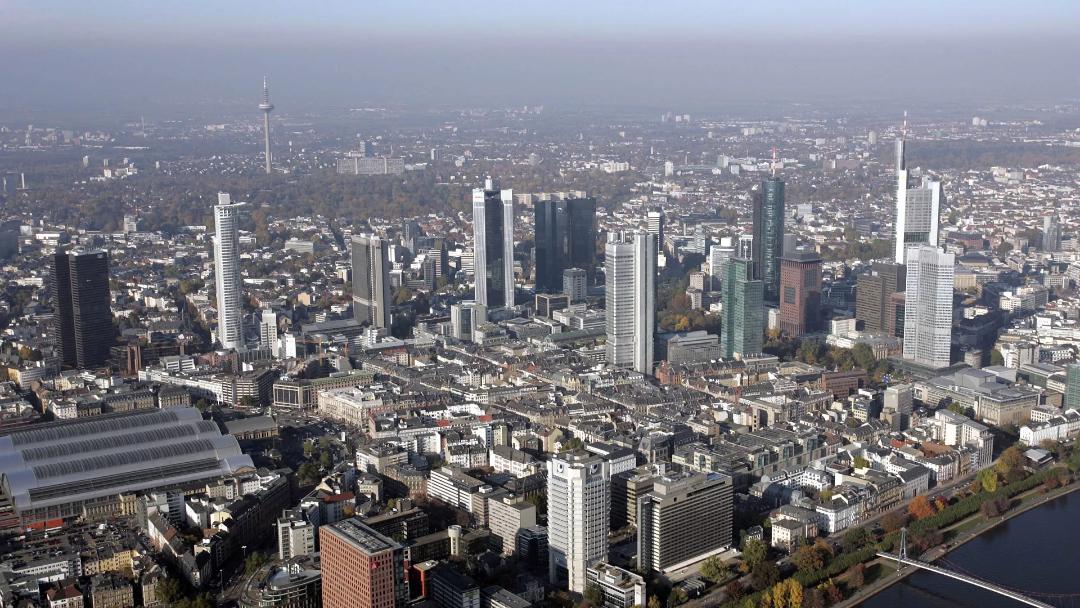
Germany faces similar obstacles, including resource scarcity, an ageing population, and heavy reliance on exports. Additionally, external factors such as the Ukraine conflict, rising eurozone interest rates, and a shortage of skilled labor have added to Germany’s economic instability.
READ ALSO: Global minimum tax on multinationals begins, to raise $220 billion annually
While a weaker yen has benefited Japanese exporters, the country contends with labor shortages and low birth rates, compounding its economic woes. Government efforts to stimulate birth rates have fallen short, raising concerns about future labor supply.
In response, Japan’s economy revitalization minister has emphasized the need for structural reforms, including greater female workforce participation and easing barriers to foreign investment. Efforts to drive demand-led growth through wage increases are also underway.
Recent data shows a 0.1% contraction in real GDP in the last quarter of 2023, attributed to weak household and business spending. Declining private consumption, which contributes over half of economic activity, reflects the strain on households due to rising living costs and stagnant wages.
Japan’s economic trajectory diverges from earlier predictions of surpassing the US during the 1970s and 80s. Instead, the burst of the asset-inflated bubble economy in the 1990s led to decades of stagnation and deflation.
The current economic realities underscore Japan’s diminished global presence and the urgent need for fundamental reforms. With India projected to surpass Japan’s economy by 2026, and Germany’s the following year, according to the IMF, the imperative for reform is clear.
The Nikkei business newspaper has urged accelerated economic reforms, recognizing Japan’s demographic crisis as a significant barrier to sustained growth. The recent economic decline serves as a stark reminder of the need for decisive action to secure Japan’s future prosperity.