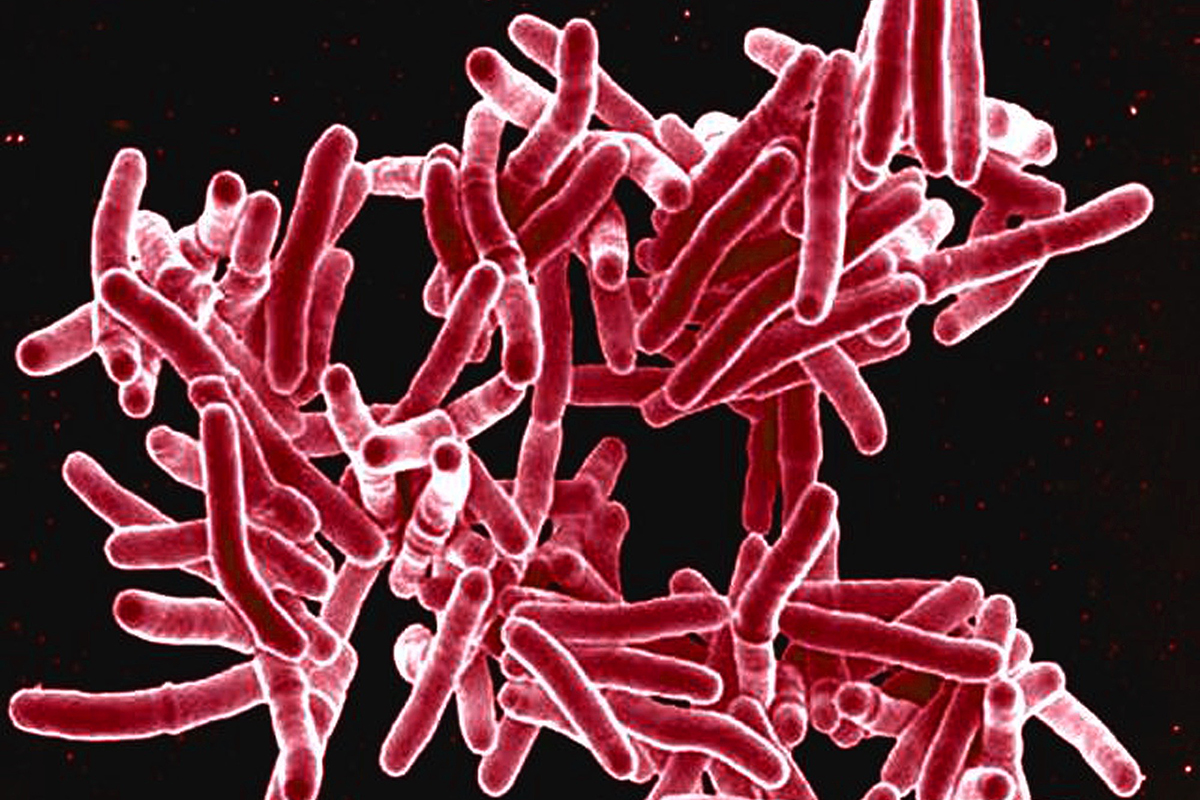
The World Health Organisation (WHO), and an infectious disease expert have raised alarm about the drug resistant nature of the new strain of Tuberculosis (TB).
According to WHO, multidrug-resistant TB remains a public health crisis and a health security threat, stating that only about two in five people with drug resistant TB accessed treatment in 2022, thereby worsening the global situation.
The global health body said that drug resistance emerges when TB medicines are used inappropriately, through incorrect prescription by health care providers, poor quality drugs, or patients stopping treatment prematurely.
Read Also: NPC launches 2023/24 Demographic, Health Survey in Niger
The UN agency added by defining TB as an infectious disease that most often affects the lungs, which spreads through the air when infected people cough, sneeze or spit in the environment.
Also, the experts said the changes in the TB-causing organisms are also the major reasons for the resistance, especially with mass population treatment when some patients would not complete their prescribed doses.
An infectious disease expert at the Nnamdi Azikiwe University Teaching Hospital, Nnewi, Anambra State, Joy Mbonu, said only a small proportion of those people infected with TB will become sick with TB, especially people with compromised immune systems, until the disease has spread to their body.
Read Also: 9mobile, PlugInsure Partners To Lunch Affordable Healthcare Coverage
She said, “In some cases, an even more severe form of multi-drug resistant TB may develop due to bad treatment. These are the drivers of TB in Nigeria. Sometimes, the patient starts to take their medication and after a few weeks will begin to feel better then abandon the drug or begin to take it haphazardly.
“This is one of the reasons TB treatments fail or the person relapses and will become prone to multi-drug resistant TB, which is another kettle of fish. TB patients must adhere strictly to their treatment regime to prevent the increasing burden of TB drug resistance.
“This is what we see here. People abandon medication as if their lives are not important to them.”
Read Also: NMA Reveals How Health-Related Financial Burden Can Be Reduced On Nigerians
However, the WHO End TB Strategy, adopted by the World Health Assembly in May 2014, is a blueprint for countries to end the TB epidemic by driving down TB deaths, incidence and eliminating catastrophic costs.
In accordance with WHO guidelines, detection of MDR/RR-TB requires bacteriological confirmation of TB and testing for drug resistance using rapid molecular tests or culture methods.
In 2022, new WHO guidelines prioritise a six-month regimen – the BPaLM/BPaL – as a treatment of choice for eligible patients. The shorter duration, lower pill burden and high efficacy of this novel regimen, can help ease the burden on health systems and save resources to further expand the diagnostic and treatment coverage for all individuals in need.