Nigeria possesses significant quantities of proven oil and gas, especially in the Niger Delta. Because the nation’s crude oil is usually sweet and light, refineries and customers from other countries find it appealing. A significant portion of Nigeria’s GDP (gross domestic product), government revenue, and economy have come from export earnings.
A number of variables, including internal regulations, agreements made by the Organization of the Petroleum Exporting Countries (OPEC), and oil prices globally, can affect the nation’s oil production levels.
The Niger Delta is a key region for oil and gas exploration and production, boasting vast resources. Nonetheless, it has had to deal with enduring social and environmental problems, such as resource control disputes, environmental degradation, and oil spills.
In recent years, there has been a growing recognition of the need to diversify Nigeria’s economy away from heavy dependence on oil. The government has initiated various programs and policies aimed at promoting economic diversification and reducing reliance on oil revenue.
Read Also: 2024 Energy Summit: Tinubu, Petroleum Ministers to Attend
In the electricity sector, Nigeria faces challenges including insufficient generation capacity, transmission losses, and distribution inefficiencies. The majority of electricity generation comes from fossil fuels, particularly natural gas. The country has been working to diversify its energy mix to ensure energy security, sustainability, and environmental considerations.
A large portion of the rural population lacked access to reliable electricity, which had implications for economic development, education, healthcare, and overall quality of life. To address this issue, various initiatives and projects, often emphasizing renewable energy sources, had been launched. These efforts were aimed to bring electricity to remote and underserved areas through off-grid and mini-grid solutions.
The government has also explored various strategies to attract private investments into the sector, including public-private partnerships and policy reforms.
Read Also: Energy: Discos Mull Electricity Tariff Hike Nationwide Jan 1
WHAT TO EXPECT IN 2024
As at November 2023, Nigeria’s crude oil production out was reported at 1,370,000 barrels per day (bpd). Though, this is a decrease from the previous number of 1,388,000 bpd for October 2023, but we should expect a ramp up to an average of 1,900,000 bpd in 2024.
The Federal Government, under President Bola Ahmed Tinubu, removed the subsidy on Premium Motor Spirit (PMS) on May 29, 2023, aiming to cut costs and address economic challenges. While some anticipated the move, the sudden announcement surprised many. There are concerns regarding the absence of sufficient measures to assist the common man. Transparency and forthrightness in the process crucial for maintaining public trust, seems to be lacking.
However, it is hoped that the partial coming on-stream of the 650,000 bpd Dangote Oil Refinery will ameliorate the situation especially on the supply side.
Recall that President Mohammed Buhari officially commissioned the Dangote Oil Refinery on May 22, 2023. As at January 4, 2024, the refinery says it has received the fifth crude oil shipment of one million barrels of Bonny Light from the Nigerian National Petroleum Company (NNPC) Limited. At the time of writing this, Dangote Oil Refinery reported that it has commenced production of diesel and aviation fuel. Thus, 2024 will witness some level of security of petroleum products supply from Dangote Refinery and a couple of other fully operational modular refineries like Waltersmith, Aradel, OPAC.
Read Also: AEC: ‘FLNG Will Eliminate Nigeria’s Energy Poverty’
On September 12, 2023, the Nigerian Upstream Petroleum Regulatory Commission (NUPRC) unveiled the winners of the bidding exercise for the Nigerian Gas Flare Commercialisation Programme, held in the last quarter of 2022. Out of about 300 entities that expressed interest, only 42 were successful. Forty (40) flare sites were allocated to 38 entities for independent development, and 4 entities received 9 sites each to develop as clusters. Full operations on these sites are expected to commence in 2024.
In 2023, the power sector in Nigeria underwent significant changes with the repeal of the Electric Power Sector Reform Act 2005 and the introduction of the Electricity Act 2023. A constitutional amendment granted State Governments the authority to create laws for electricity generation, transmission, and distribution within their jurisdictions. Enugu and Ekiti States have already enacted their Electricity Laws, Ondo State has established its State Electricity Regulatory Bureau, and Lagos State is in the process of developing its Electricity Bill. The legal and regulatory shifts, along with the emergence of State Electricity Markets, indicate a transformative period for the power sector in Nigeria, with expectations of increased investment opportunities in 2024.
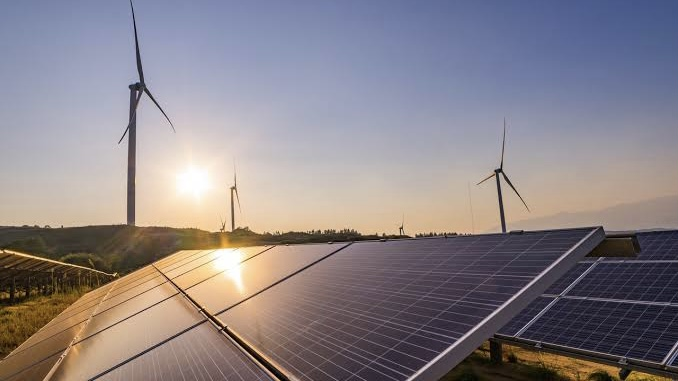
Nigerians should also anticipate further growth in the renewable energy industry due to recent provisions in the Act related to renewable energy generation and purchase obligations. This statutory development suggests that more stakeholders will be legally required to generate and buy power from renewable sources, leading to a notable increase in the contribution of renewables to Nigeria’s energy mix. Expect the rise of more manufacturers producing solar panels, indicating a potential expansion of solar and renewables-based electricity in the country in 2024.
Overall, given the new administration’s thirst for acceptance and legitimacy, 2024 will see the energy sector move on a very fast note, from a commercial to regulatory standpoint