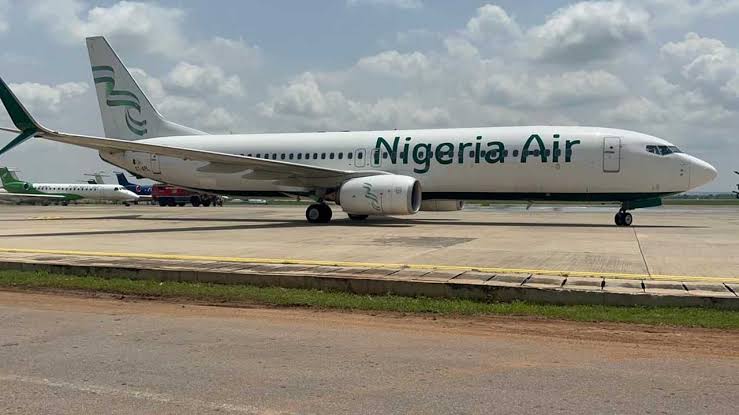
The disputed Nigeria Air arrangement with Ethiopian Airlines has been linked to dubious agreements, according to Minister of Aviation and Aerospace Development Festus Keyamo.
Speaking with State House reporters at the Federal Executive Council meeting on Monday, Keyamo stated that although President Bola Ahmed Tinunu has still to review the results on Nigeria Air, specifics indicated that the agreement with Ethiopian Airlines included anti-competitive practices.
He criticized Ethiopian Airlines for receiving a five-year tax exemption, pointing out that this would not promote fair competition in the aviation industry.
Read Also: Aviation Minister Issues New Directives For Wet-Leased Aircraft
“I cannot preempt my President; all the reports have been forwarded to the President. The issue we met on the ground. It would have been irresponsible to close my eyes to those concerns. Because of that, we suspended the Nigeria Air.
“We have looked at all the issues, and the report is before the President.
“That’s why when they tell you we want to crash the price by… it’s a lie. It’s robbing Peter to pay Paul.
Read Also: NCAA Allegedly Suspends United Nigeria Airlines As Keyamo Summons Heads Of Aviation Agencies Over Aviation Security
“The only thing that brings down prices in the commercial world is fair competition.”
He also decried that the contract sought to cede the appointment of employees at all levels to the Ethiopian investors.
“In the agreement, they also proposed appointing everybody; top management, everybody Ethiopian, in Nigeria, and we agreed. We agreed!” he emphasised.
Read Also: Nigeria Air: Keyamo Faults Nigeria, Ethiopian Airline Deal
In August, the Minister suspended the controversial Nigeria Air project and airport concession deals conducted under former president Muhammadu Buhari’s administration.
On May 26, the former Minister of Aviation, Hadi Sirika, hurriedly commissioned the arrival of a Boeing 737-800 aircraft marked Nigeria Air.
Nigeria Air’s ownership stake is divided among Ethiopian Airlines (49 per cent), Nigeria Sovereign Investment Authority (46 per cent), and the Federal Government (5 per cent).