- CSOs Demand Federal Intervention Over “Constitutional Breakdown”
- Adeleke Blames APC for “Power Grab” Plot
- Amotekun Shutdown Claim, Insecurity Raise Fresh Concerns
Tension continues to mount in Osun State as civil society groups, the state government and security agencies trade accusations over the lingering local government crisis, raising concerns about governance, political stability and public safety.
At the centre of the controversy is a call by a coalition of civil society organisations for President Bola Tinubu to declare a state of emergency in the state, following what they described as a breakdown of constitutional order in local government administration.
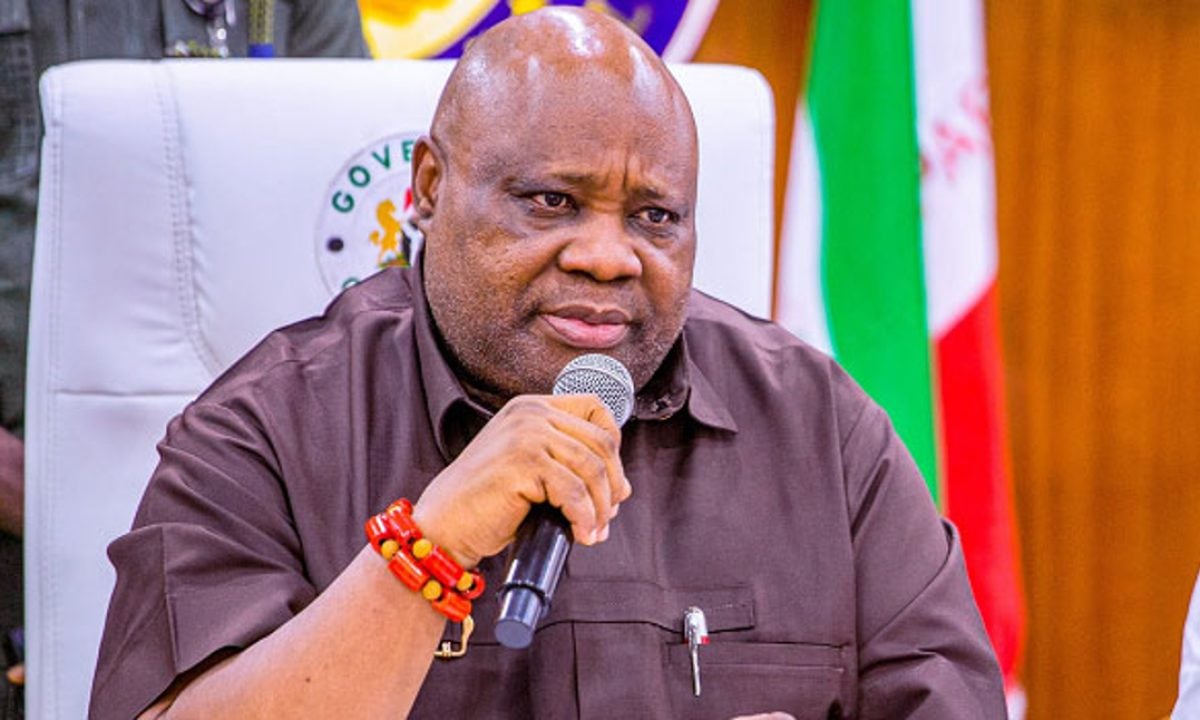
However, Governor Ademola Adeleke has dismissed the call as a political plot by the opposition All Progressives Congress (APC), warning that such moves could destabilise the state.
Meanwhile, rising insecurity and the continued closure of Amotekun offices have further complicated efforts to restore normalcy.
The coalition, comprising the Centre for Justice Initiatives (CJI), Initiative for Local Government Development (ILGD) and Centre for Justice and Community Advocacy Nigeria (CJCAN), accused the Osun State Government of disobeying court judgments recognising APC-backed council chairmen and councillors.
Speaking in Osogbo, ILGD spokesperson, Comrade Kanyinsola Adebayo, said the administration had undermined the rule of law by misrepresenting court rulings and interfering with council operations.
According to her, the actions of the government had eroded constitutional governance and placed the state on the brink of chaos.
She cited Section 1(3) of the 1999 Constitution, stressing that any action inconsistent with the Constitution is null and void.
The groups also linked the crisis to security challenges, including the killing of Irewole council chairman, Hon. Remi Abass, the emergence of parallel governance structures and alleged denial of financial autonomy to councils.
ILGD Secretary, Ayomide Adeniyi, argued that Section 305 of the Constitution empowers the President to declare a state of emergency when governance is threatened.
Similarly, CJCAN Secretary-General, Comrade Amusa Opeyemi, called on the Senate to approve emergency rule and urged the police to prosecute those responsible for the killing of Abass.
The coalition insisted that federal intervention had become necessary to restore public order and enforce court judgments.
Governor Adeleke has firmly rejected the call for emergency rule, describing it as a continuation of what he termed a failed attempt by the APC to reclaim power through unconstitutional means.
In statements issued by his spokesperson, Olawale Rasheed, the governor accused opposition leaders, including former governor Gboyega Oyetola and governorship candidate Bola Oyebamiji, of sponsoring “faceless” groups to stir unrest.
Adeleke alleged that APC-backed council officials had illegally occupied local government secretariats, interfered with statutory allocations and paralysed grassroots administration.
He maintained that the instability in the state stemmed from the refusal of former council officials to vacate office after the expiration of their tenure.
According to him, the opposition deliberately created tension in order to justify federal intervention.
“The call for a state of emergency has no basis in law or fact. Osun remains peaceful, and the government is in control,” Adeleke said.
The governor also accused the APC of hijacking council funds, forcing his administration to intervene to pay workers’ salaries.
He added that his government had earned commendation for resolving the crisis through lawful means rather than force.
Warning against further attempts to incite violence, Adeleke said security agencies had been placed on alert to prevent any breakdown of law and order.
Beyond the political dispute, security challenges have emerged as a major concern in the ongoing crisis.
Governor Adeleke has repeatedly appealed to the Inspector-General of Police, Kayode Egbetokun, to unseal Amotekun offices in the state, which were shut following the alleged killing of residents in Akinlalu community in September 2025.
Some operatives of the outfit, including its commander, were arrested, while offices were sealed by the police.
According to the governor, the continued closure of Amotekun has weakened Osun’s security architecture, especially in rural and border communities vulnerable to banditry and kidnapping from neighbouring states.
He said the state is “handicapped in its security response” without the outfit’s grassroots presence and specialised expertise.
Adeleke urged the police to either charge the detained operatives to court or release them, warning that prolonged detention without trial undermines justice and public confidence.
Security analysts have warned that the absence of Amotekun has created a vacuum now being exploited by criminal elements, further complicating efforts to stabilise the state.
With civil society groups demanding federal intervention, the state government alleging political sabotage, and security concerns worsening, Osun remains caught in a complex web of legal, political and safety challenges.
Observers say lasting peace will depend on strict adherence to court rulings, transparent handling of local government administration and sustained cooperation between political actors and security agencies.
Until these issues are resolved, the crisis over Osun’s local governments is likely to continue shaping the state’s political and security landscape.