- Presidency Says Amendment Bill Imminent After Months Of High-Level Consultations
Hope for the long-debated establishment of state police in Nigeria received a major boost on Thursday as the Presidency revealed that a constitutional framework for the initiative is nearing completion, raising expectations that one of the country’s most contentious security reforms may soon become reality.
The disclosure comes amid mouning insecurity across several parts of the country, with kidnappings, banditry, terrorism and communal violence stretching the capacity of existing security structures and fuelling calls for a decentralized policing system.
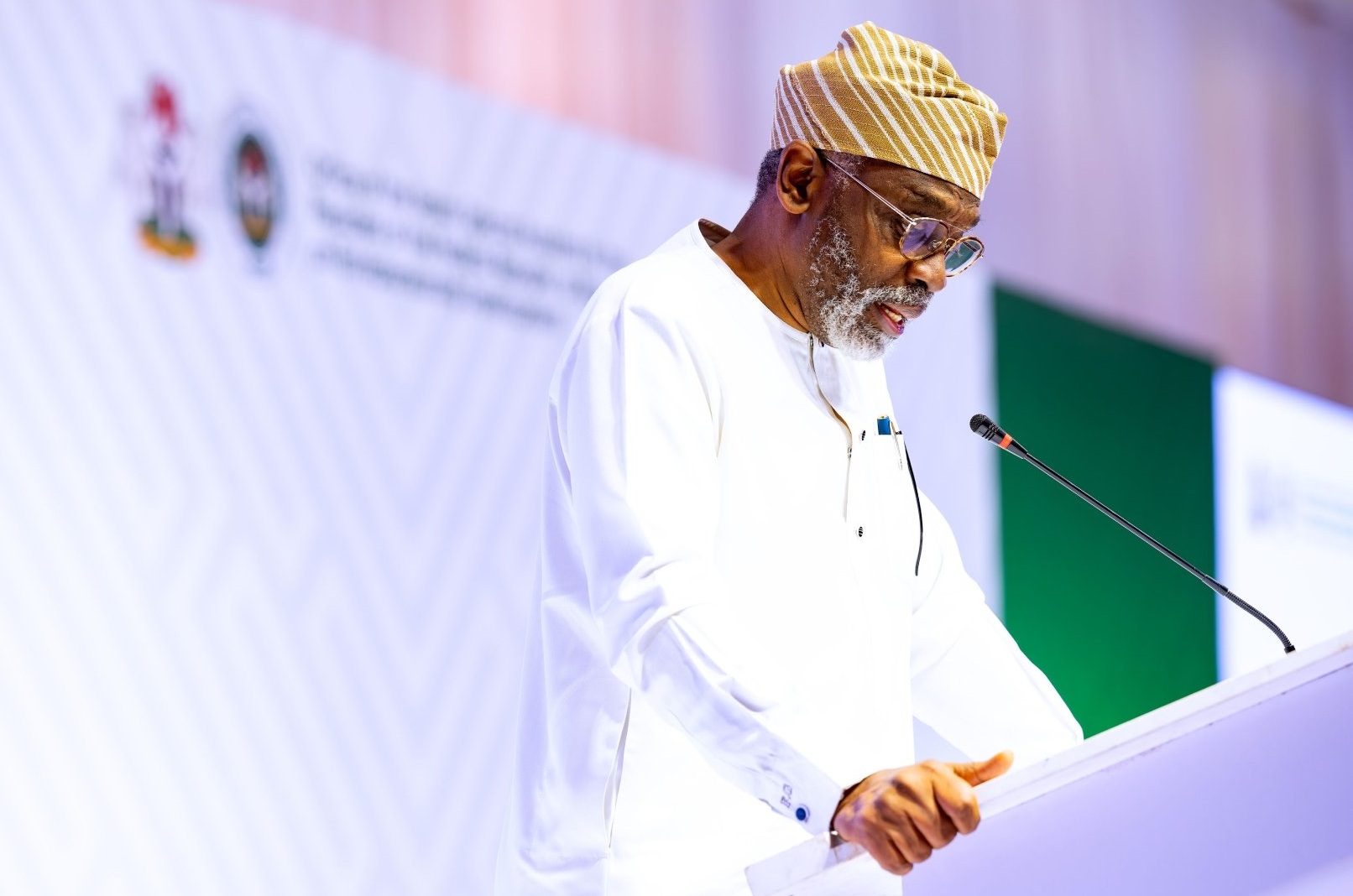
Speaking after a crucial consultative meeting at the State House in Abuja, the Chief of Staff to President Tinubu, Femi Gbajabiamila, said significant progress had been made toward establishing state police, with constitutional amendments expected in the near future.
Constitutional Amendment in Sight
Gbajabiamila disclosed that deliberations on state police began several months ago following a directive from President Bola Ahmed Tinubu and have now reached an advanced stage.
“We started deliberations in the last three or four months on how to go about the establishment of state police as directed by Mr President,” he said.
According to him, the process has moved beyond mere discussions, with stakeholders now focusing on the constitutional amendments required to make state policing a reality.
“Establishing state police is not something that you do with the snap of the fingers. There is a lot involved in terms of constitution and legalities, and thank God we have now gained a lot of traction,” Gbajabiamila stated.
He added that once the constitutional amendments are concluded, enabling legislation would follow to provide operational guidelines for the new policing structure.
Security Crisis Driving Urgency
The renewed push for state police comes against the backdrop of worsening security challenges across Nigeria.
From terrorist attacks in the North-East to banditry in the North-West, kidnappings along major highways and violent criminal activities in several states, pressure has continued to mount on the Federal Government to explore alternative approaches to policing and security management.
Advocates of state police have long argued that locally controlled security outfits would possess better intelligence networks, deeper community engagement and faster response capabilities than a centralized system.
The Presidency believes the reform could significantly strengthen grassroots security and improve the protection of lives and property nationwide.
National Consensus Emerging
In what observers see as a significant shift, Gbajabiamila said the national conversation has largely moved beyond whether state police should exist.
According to him, the focus is now on creating the right legal, constitutional and institutional safeguards to ensure effective implementation.
“The question is no longer whether state police should be established. The discussion now centres on building the appropriate framework for its operation,” a source familiar with the deliberations noted.
The Chief of Staff said President Tinubu would receive a comprehensive report on the outcome of the consultations as efforts intensify to finalize the framework.
Tinubu’s Longstanding Position
President Tinubu has consistently championed the creation of state police as part of broader efforts to reform Nigeria’s security architecture.
The President has repeatedly argued that the country’s evolving security threats require a more decentralized policing system capable of responding effectively to local challenges.
His administration maintains that empowering states with policing responsibilities would strengthen intelligence gathering, improve law enforcement coordination and provide a more robust response to emerging threats.
Key Power Brokers Back Initiative
Thursday’s meeting underscored the growing political momentum behind the proposal.
Among those present were the Deputy President of the Senate, Jibrin Barau; the Deputy Speaker of the House of Representatives, Benjamin Kalu; the Attorney-General of the Federation, Lateef Fagbemi; and the Inspector-General of Police, Tunji Disu.
Their participation signalled a growing alignment among the executive, legislature and security establishment on what could become one of the most consequential constitutional reforms in Nigeria’s recent history.
For millions of Nigerians grappling daily with insecurity, the latest development offers renewed hope that a long-awaited restructuring of the country’s policing system may finally be within reach.